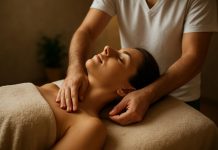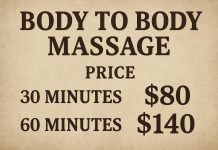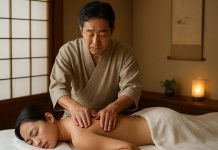

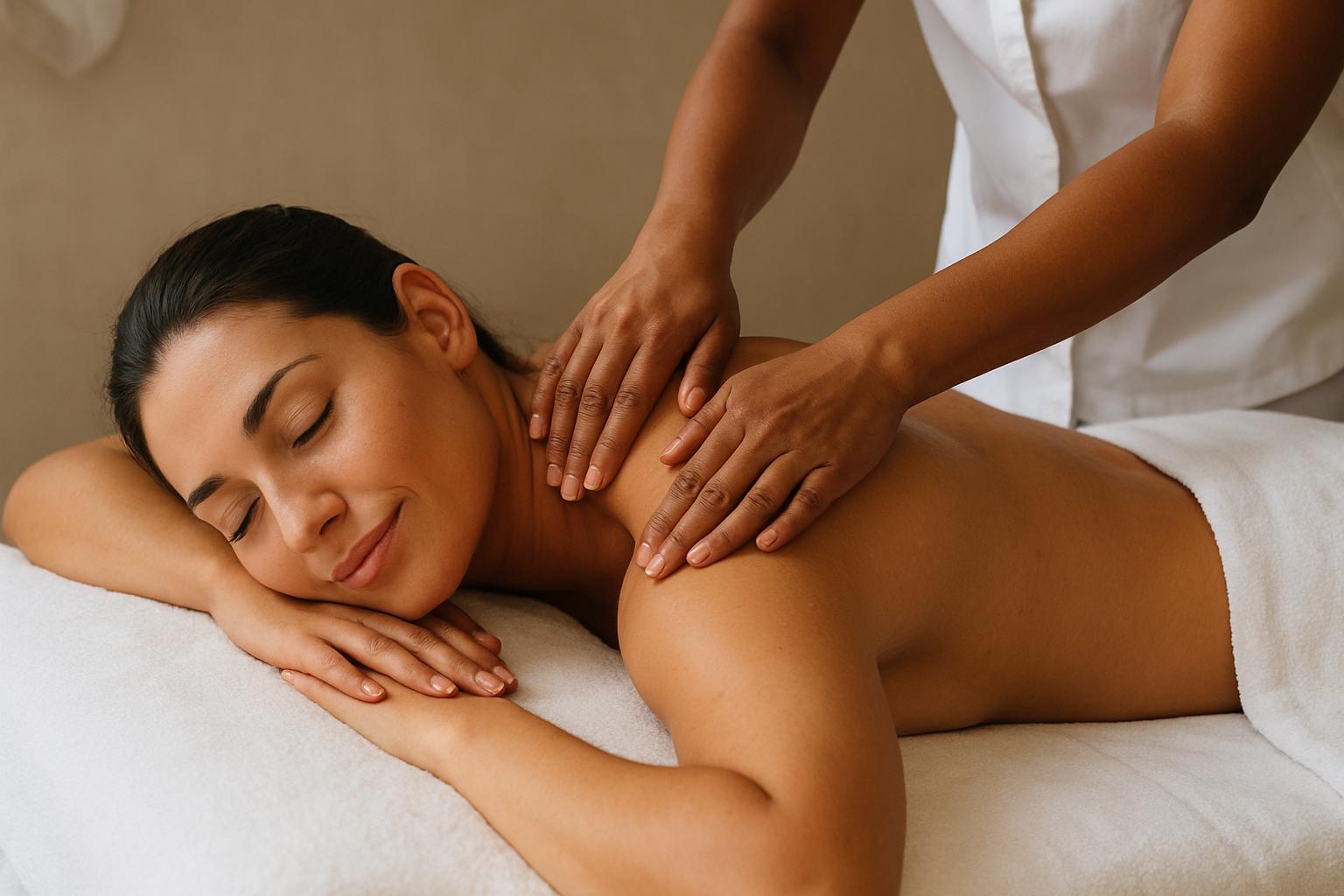
Searching for an “nj body rub” online can feel like stepping into a thicket of vague ads, blurred photos, and confusing listings. The phrase itself is often used by people who want anything from a legitimate therapeutic massage to services that cross legal and ethical lines. This article walks you through the landscape in New Jersey: what the term can mean, where to look for reputable therapists, how to confirm credentials, what to expect at a professional appointment, and how to protect your safety and legal standing. Read on with a practical mindset—this is about making smart choices, not judgment.
What people mean when they search “nj body rub”
Language matters. “Body rub” is a catch-all phrase; some people use it to describe a standard relaxation or deep-tissue massage, while others use it as a euphemism for services that may be sexual or illegal. Because of that ambiguity, you’ll find a mix of legitimate clinics, spas, and unregulated listings in search results. Understanding the difference between licensed massage therapy and illicit services helps you find the right provider and avoid legal or safety problems.
For clarity: professional massage therapy is a health and wellness service. It involves trained practitioners using techniques to relieve pain, reduce stress, and improve mobility. Anything that implies sexual activity or explicit services falls outside the scope of licensed practice and may be unlawful in many jurisdictions, including New Jersey.
The legal and regulatory landscape in New Jersey
New Jersey regulates massage and bodywork practitioners. To practice legally, a therapist typically must hold a state-issued license, meet educational requirements, and adhere to professional standards. The state’s licensing authority—part of the Division of Consumer Affairs—maintains records and handles complaints. This regulatory framework exists to protect both clients and practitioners by ensuring minimum training and ethical conduct.
Because illicit operations sometimes advertise using ambiguous terms, it’s important to know that the existence of an ad doesn’t guarantee a licensed or professional service. If an ad avoids listing a business name, a physical address, or therapist credentials, that’s a sign to proceed with caution or move on.
Why licensing matters
Licensed therapists are required to complete accredited training programs that cover anatomy, contraindications, sanitation, ethics, and basic clinical skills. They’re also subject to a code of professional conduct and to disciplinary action if they violate rules. Choosing a licensed provider reduces risks: less chance of injury, better hygiene, and a transparent complaint process if something goes wrong.
How to verify a New Jersey massage therapist
Before you book, take a few minutes to verify credentials. It’s simpler than it sounds and often reveals a lot about a business. Start at the state website: you can search the Division of Consumer Affairs’ license look-up to confirm the therapist’s name or the business name. Beyond that, reputable spas usually list education, certifications, and a physical address. If you’re dealing only through text messages or anonymous chat and the provider refuses to give a business name or license number, that’s a red flag.
- Check the New Jersey license lookup on the Division of Consumer Affairs website.
- Ask for the therapist’s name and license number; verify it independently.
- Look for a listed physical address and published hours—legitimate businesses are transparent.
- Read multiple online reviews from reputable sites, not just one-off listings.
Where to find legitimate massage services in New Jersey
If you want a safe, therapeutic experience, start with established channels. Search for licensed clinics, medical spas, chiropractic offices, or hospital-affiliated wellness centers. Professional associations and college clinics are also good options. Booking platforms that verify therapist credentials can be helpful, provided you still do your own verification.
Some reliable places to start your search:
- Local health clinics and integrative medicine centers
- Massage schools—often offer lower-cost treatments under instructor supervision
- Licensed day spas with staff bios and license numbers listed
- Referrals from primary care doctors, physical therapists, or chiropractors
What to expect at a professional appointment
A legitimate session begins with intake: a short conversation about your health history, areas of concern, medications, and any contraindications. You’ll be asked to sign a consent form and told which parts of your body the therapist will work on. Professional therapists explain draping (covering with sheets or towels) and maintain clear boundaries about what is and isn’t allowed.
Therapists should ask about pressure preferences and adjust techniques accordingly. Sessions take place in clean, private rooms with proper draping; therapists wear professional attire. If at any point you feel pressured or a boundary is crossed, you should be able to stop the session and leave. Reputable clinics will have a clear cancellation and refund policy posted.
Red flags and safety tips
Knowing the signs of an unprofessional or risky operation keeps you safe. The following table summarizes common differences between legitimate providers and illicit operations that use ambiguous terms like “body rub.”
| Feature | Legitimate Massage Clinic | Illicit/Unregulated Operation |
|---|---|---|
| Licensing | Therapist and business license visible and verifiable | No license listed; staff names vague or anonymous |
| Business details | Physical address, business hours, professional email | PO boxes, only mobile numbers, meeting at private residences |
| Advertising language | Uses clinical or wellness terms; lists services and modalities | Uses sexual innuendo, cash-only offers, or “special” services |
| Environment | Clean treatment rooms, professional decor, clear policies | Rooms that seem improvised, lack of draping, restricted visibility |
| Payment | Allows card payments, issues receipts | Cash-only, insists on tips or extra fees for “special” treatment |
Practical safety steps
- Share your appointment details with a friend: location, practitioner name, expected end time.
- Check-in with the front desk—reputable clinics have staff present.
- Bring a credit card for payment to generate a record; avoid cash-only establishments.
- Trust your instincts: if something feels off, cancel and leave.
Etiquette, boundaries, and respectful communication
Clear communication ensures a good experience. Tell the therapist about any injuries, surgeries, or medical conditions. Set your pressure preference and request that the therapist check in during the session. Respectful boundaries go both ways: therapists may decline requests outside their scope of practice, and clients should respect professional limits like draping and non-sexual touch.
If you want a therapeutic outcome—pain relief, stress reduction, improved mobility—describe those goals ahead of time. A skilled therapist can explain which modalities (trigger point, sports massage, myofascial release) are appropriate and which aren’t.
Costs, tipping, and insurance considerations
Prices vary depending on location, therapist experience, and specialty. Expect more established clinics to charge premium rates, though schools and community clinics may offer affordable options. Some insurers cover massage for specific diagnoses with a physician’s referral; check your plan. Tipping practices mirror other personal services—generally 10–20% if tipping is customary in your area and you were satisfied.
When insurance applies
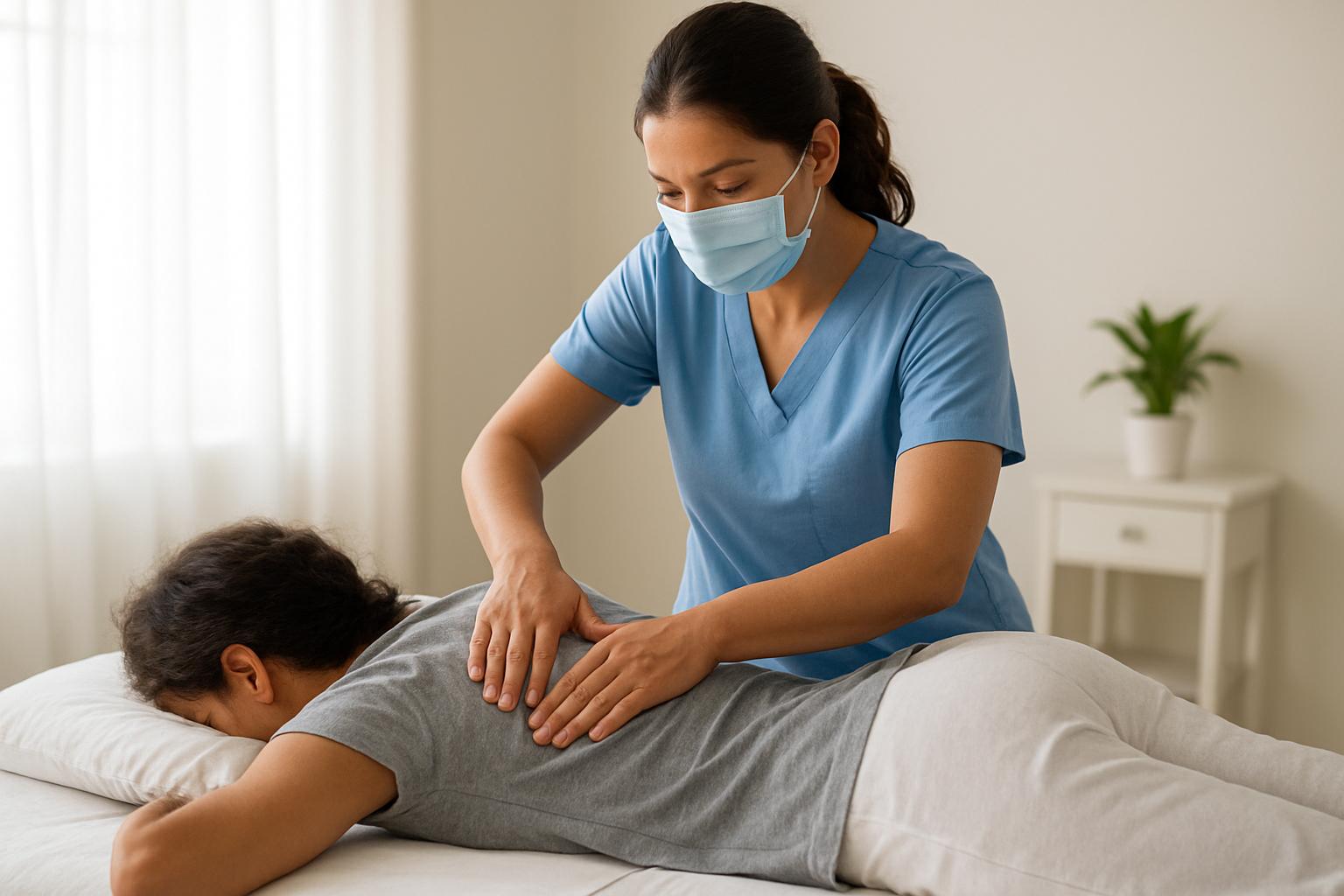
If massage is part of a treatment plan for a diagnosed condition, request documentation and a receipt with CPT codes from the provider. Not all clinics accept insurance, and those that do may require additional paperwork. Verify coverage before booking if insurance reimbursement matters to you.
Resources and who to contact if something goes wrong
If you suspect fraud, unlicensed practice, or exploitation, you can file a complaint with the New Jersey Division of Consumer Affairs. For urgent safety concerns or illegal activity, contact local law enforcement. If human trafficking is a concern, the National Human Trafficking Hotline (1-888-373-7888) and local social services can help. Finally, use online license lookup tools to verify practitioners and report any suspicious advertising platforms to websites or payment processors.
Quick checklist before booking
- Verify license and business address.
- Confirm the clinic accepts card payments and provides receipts.
- Read several independent reviews.
- Ask about intake procedures and draping policies.
- Bring a referral or medical documentation if you want insurance coverage.
Conclusion
Searching for an “nj body rub” doesn’t have to be a leap of faith. By focusing on licensing, transparency, and clear communication, you can find a safe, professional massage that meets your needs. Use state resources to verify credentials, choose businesses with verifiable addresses and staff bios, and be alert for red flags like cash-only deals or suggestive advertising. Above all, trust your instincts: a good massage experience starts before the appointment, in the way a business presents itself and answers your questions. When in doubt, opt for clinics tied to schools, healthcare providers, or well-reviewed day spas—those places are more likely to follow the rules and put your safety first.