
Typing “asian body rub near me” into a search bar can pull up a confusing mix of results: legitimate wellness clinics, day spas teaching traditional techniques, and, unfortunately, listings that blur the line between therapeutic bodywork and illicit services. If you’re curious about Asian-style massage or bodywork—Thai stretching, Chinese tuina, Japanese shiatsu, or reflexology—this guide will help you separate authentic practitioners from questionable operations, know what to expect in a professional session, and find respectful, legal options in your area.
What people mean by “Asian body rub”
The phrase “Asian body rub” is a catch-all that different people use for very different services. In many communities it simply refers to traditional Asian therapeutic techniques: Thai massage with yoga-like stretches, Chinese tui na focusing on meridians, shiatsu applying finger pressure along energy lines, or foot reflexology. But in some listings the same words are used by businesses offering sexualized services. Understanding this split is the first step toward a safe, positive experience.
Spotting a legitimate clinic: quick checklist
Before you follow a search for “asian body rub near me,” use this checklist to evaluate options. A few simple signs can tell you whether a place is oriented toward therapeutic care or something else.
- Licensing: Professionals should display licenses or credentials. Look for massage therapy licensure or spa certifications.
- Clear services and pricing: Legit businesses list specific treatments (Thai massage, deep tissue, shiatsu) and set prices and durations.
- Professional environment: A clean, calm reception area, proper draping supplies, and clear intake forms indicate standards.
- Payment methods: Card payments and receipts are normal. Cash-only places can be a red flag.
- Reviews and web presence: Check reputable review sites and the business’s own website or social media for consistent professional messaging.
| What to check | Why it matters | Red flags |
|---|---|---|
| License or certification | Confirms training and adherence to local regulations | No credentials shown or evasive staff |
| Written service menu | Sets clear expectations on techniques and pricing | Vague descriptions or “special” services offered after booking |
| Professional intake process | Records medical history and sets boundaries | No paperwork or immediate pressure to undress beyond standard draping |
| Transparent online presence | Shows legitimacy and customer feedback | Minimal or inconsistent information, anonymous reviews |
How to search responsibly and find top-quality options
If you want to locate a trained therapist offering Asian-style bodywork without supporting illicit practices, refine your search and your questions. Instead of only searching “asian body rub near me,” add phrases like “licensed massage therapist,” “Thai massage clinic,” or “shiatsu practitioner.” Local business directories, state massage board databases, and community health forums are better sources than anonymous classified ads.
- Search official registries: Many regions maintain searchable registries of licensed massage therapists and spas.
- Read multiple reviews: Look for consistency in praise about technique, cleanliness, and professionalism.
- Call ahead: Ask directly about a therapist’s training, licensure, and what the session involves.
- Visit in person: A brief walk-in to inspect the space can tell you a lot about standards and safety.
What to expect in a professional Asian-style session
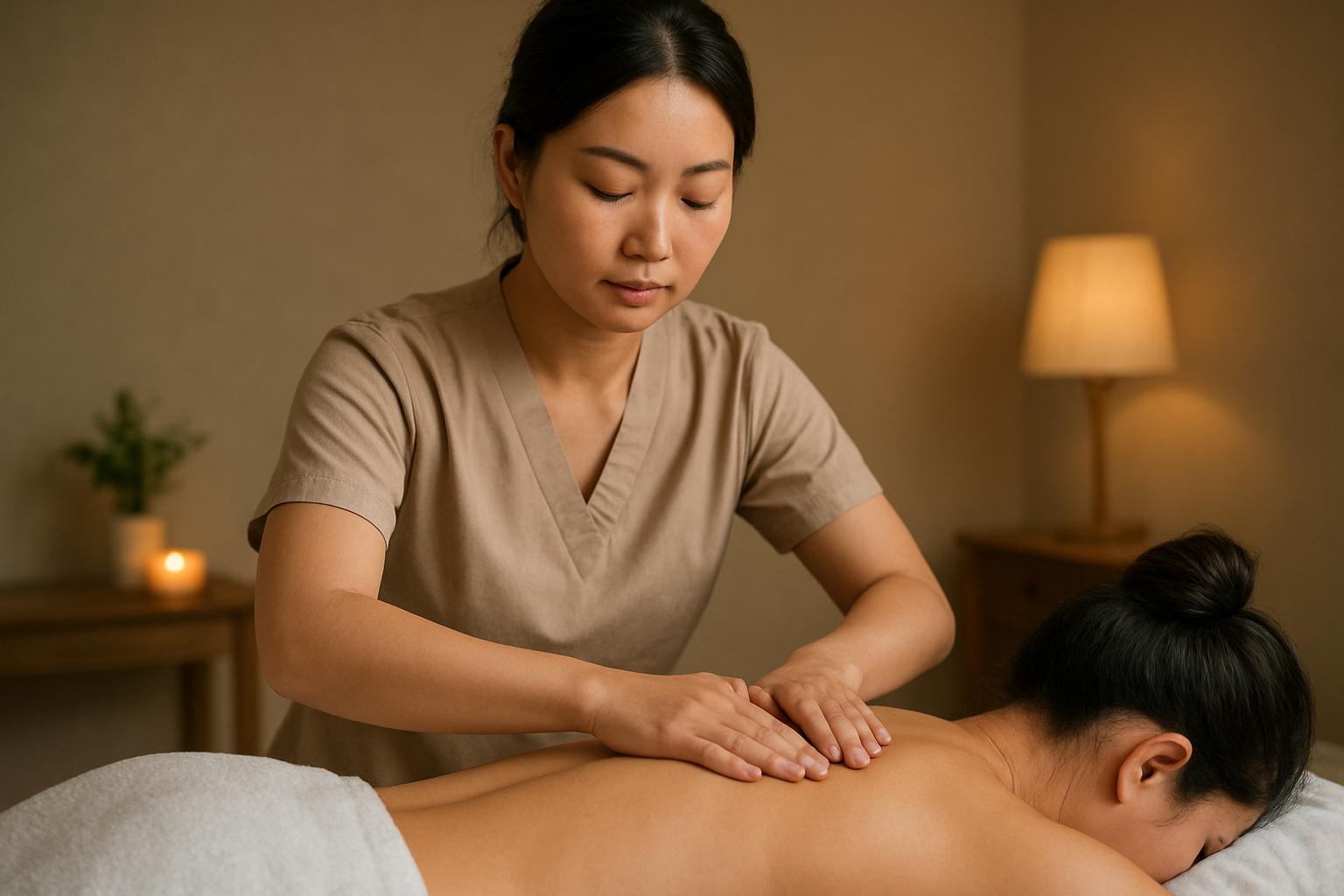
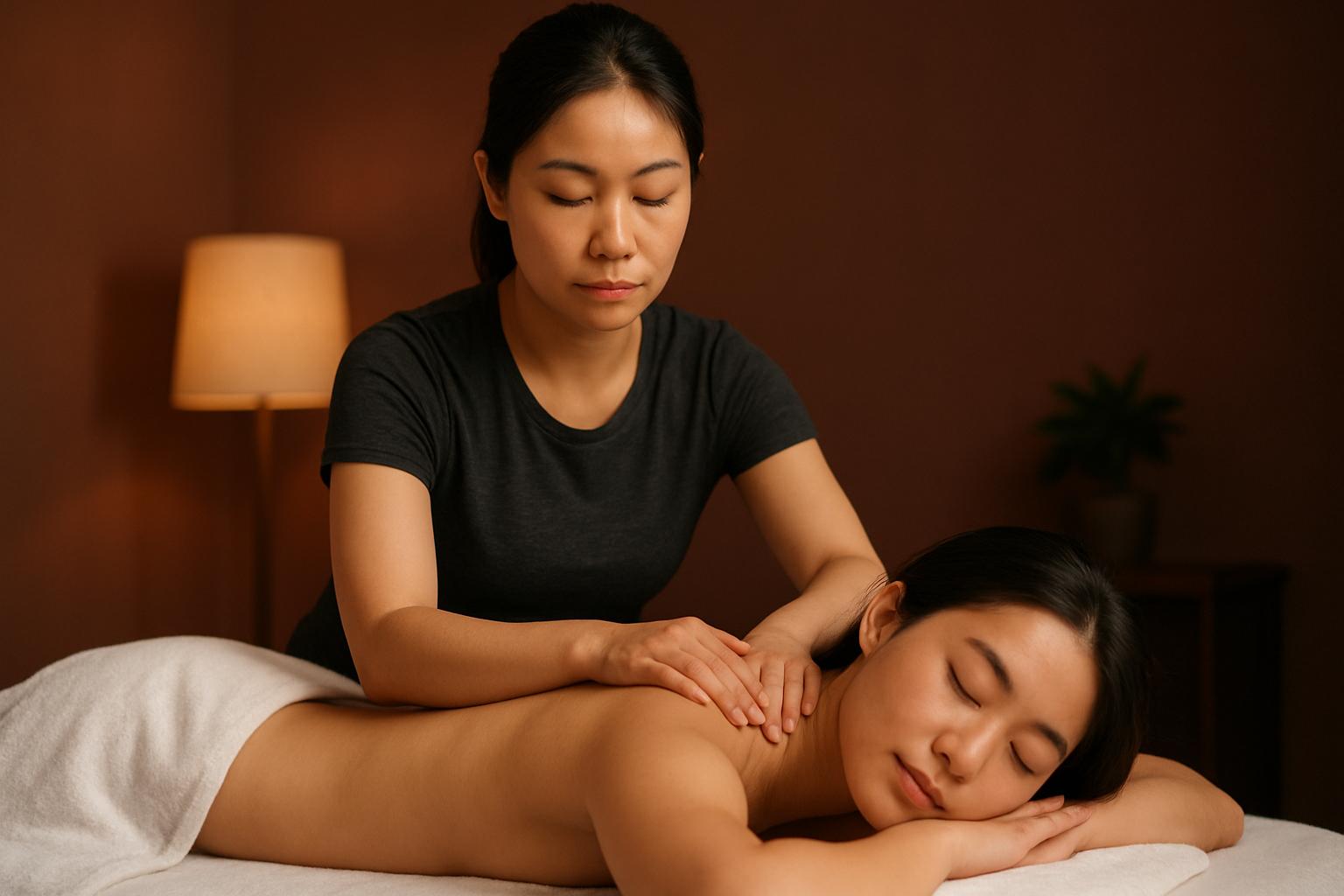
When you book with a reputable practitioner, the experience is clear, respectful, and focused on your well-being. Expect a pre-session intake to discuss health history, pain points, and preferences; informed consent about draping, pressure, and techniques; and a trained approach tailored to your needs.
- Intake and consultation: The therapist asks about medical conditions, injuries, and goals.
- Draping and privacy: Proper draping is used; you remain covered except for the area being worked on.
- Communication during the session: Therapists check pressure and respond to discomfort.
- Aftercare advice: You may receive tips for stretching, hydration, or follow-up sessions.
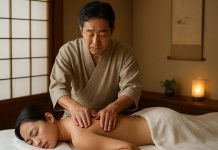
Techniques differ. Thai massage uses rhythmic rocking and assisted stretches and is often performed on a mat with clothing on. Shiatsu applies sustained pressure along meridians, usually on a futon. Tui na focuses on joint manipulation and soft tissue work. Knowing the technique helps set expectations for sensation and results.
Etiquette and boundaries
Professional bodywork thrives on clear, mutual respect. Speak up if something is uncomfortable. Ask before any unusual technique is used, and confirm whether you should undress to your comfort level or remain clothed. If a therapist suggests services that feel sexual or coercive, leave and report the business to local authorities or licensing boards.
Simple etiquette tips
- Be punctual; late arrivals often reduce session time.
- Turn off your phone and avoid strong fragrances.
- Communicate allergies, injuries, or recent surgeries in advance.
- Tip according to local norms, unless the practice prohibits tipping.
Legal, ethical, and safety concerns
Regulations vary widely. In many places, offering sexual services in exchange for payment is illegal, and legitimate massage professionals must adhere to licensing rules that prohibit sexual contact. That means supporting reputable practitioners protects both your health and the integrity of the profession.
If you suspect illegal activity—pressured sexual offers, minors, or human trafficking—do not confront the business directly. Contact local law enforcement or a human trafficking hotline. Your safety comes first; you can report concerns anonymously in many areas.
Alternatives if you want the benefits without the ambiguity
If you’re after pain relief, mobility, or relaxation but uneasy about the search term “asian body rub near me,” consider these alternatives. Each offers evidence-based benefits and clear professional oversight.
- Physical therapy for injury rehabilitation and targeted exercise plans.
- Licensed massage therapists offering deep tissue, sports massage, or Swedish techniques.
- Chiropractors for spinal and joint alignment issues.
- Acupuncture and licensed acupuncturists for pain and stress relief based on traditional Chinese medicine.
- Community wellness centers and hospital-affiliated integrative health clinics.
Comparing options
| Option | Main benefits | When to choose |
|---|---|---|
| Licensed massage therapist | Muscle relief, relaxation, customizable techniques | General tension, sports recovery, stress |
| Physical therapy | Functional recovery, strength building, injury rehab | Post-injury or chronic functional limitations |
| Acupuncture | Pain modulation, stress reduction | Chronic pain, headaches, complementary care |
| Chiropractic care | Spinal and joint alignment, mobility | Back/neck pain related to alignment |
Questions to ask before booking

Asking straightforward questions protects your health and ensures you get the experience you want. Here are practical queries to use when you call or visit.
- Are your therapists licensed or certified? Can I see credentials?
- What training do your practitioners have in Thai/shatsu/tui na/foot reflexology?
- What does the intake process involve? Is there a health questionnaire?
- How is draping handled? Will I need to undress?
- What is your cancellation policy and payment method?
Myths and misconceptions
There’s a persistent myth that all “Asian body rub” listings signal illicit services; that overgeneralization harms reputable practitioners who preserve traditional healing arts. Equally, assuming every unfamiliar clinic is safe can put you at risk. Treat each business individually: verify credentials, read multiple reviews, and follow the red flags checklist above.
Conclusion
Searching for “asian body rub near me” doesn’t have to be a gamble. By distinguishing traditional therapeutic bodywork from businesses that cross legal or ethical lines, using precise search terms, checking licensure and reviews, and asking direct questions before you book, you can find respectful, effective practitioners who honor both cultural traditions and professional standards. If anything feels off—vague pricing, evasive staff, or pressure toward sexualized services—walk away and choose a licensed clinic or one of the many alternative therapies that match your goals.