
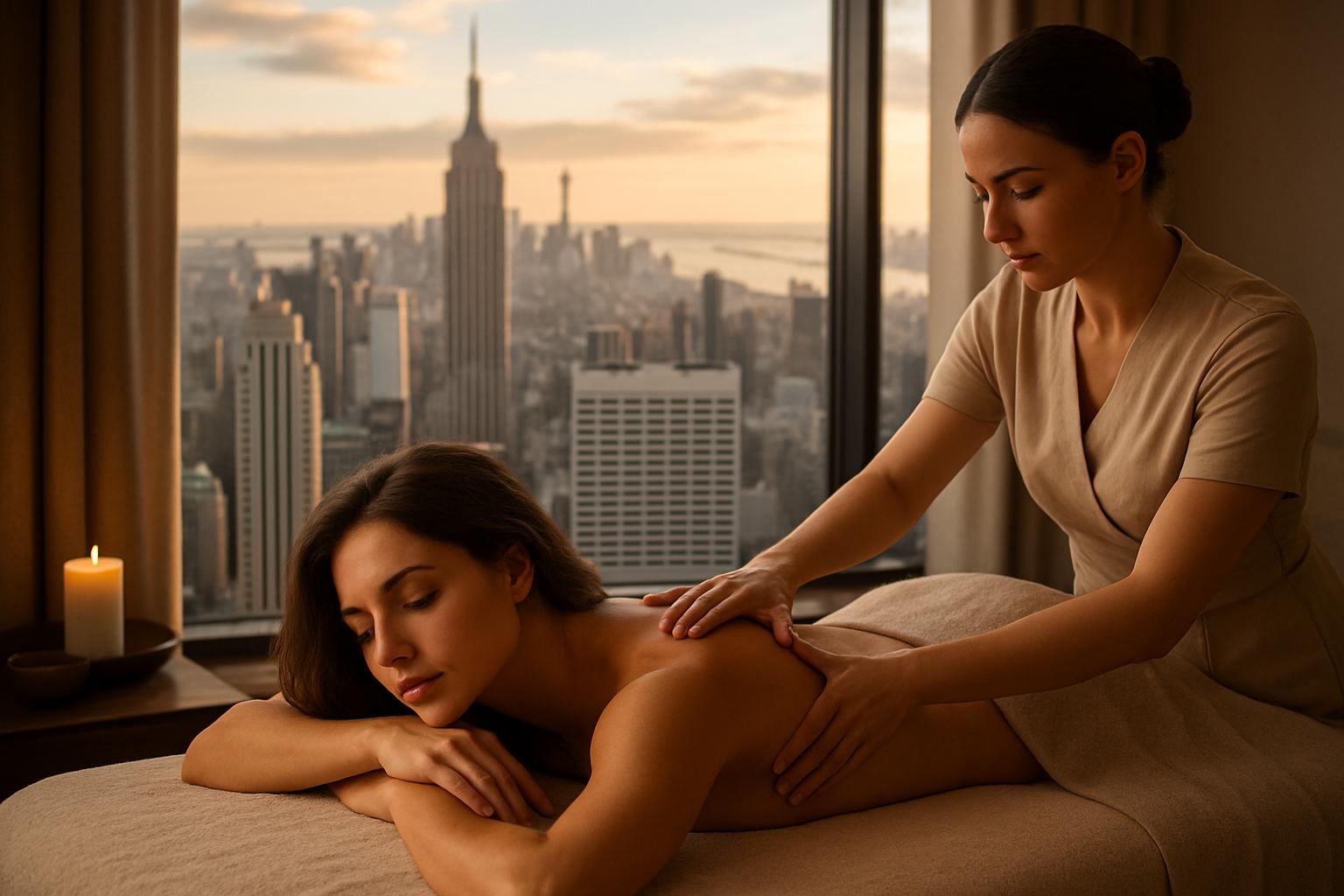
New York moves at its own rhythm—fast, loud, and relentless. Plenty of people come here because they crave that energy; others stay because they need something to steady them. Sensual massage, when practiced professionally and respectfully, can be a soft counterpoint: a space for slowing down, feeling more present in your body, and repairing the exhausted edges that city life can create. This article walks you through what sensual massage means in a wellness context, how to find reputable providers in New York, what to expect during a session, and practical tips for choosing, preparing and caring for yourself afterward.
What “sensual massage” really means
The phrase “sensual massage” carries different meanings depending on who you ask. At its healthiest and most professional, it describes bodywork that emphasizes touch, breath, and sensory awareness—techniques designed to increase relaxation, reduce tension, and enhance feeling and presence. It is distinct from clinical therapeutic massage aimed solely at treating musculoskeletal conditions, and also distinct from erotic or sexual services. The focus in professional sensual massage is on sensation and connection rather than sexual arousal.
A quick comparison
| Type | Primary Goal | Typical Setting | Boundaries |
|---|---|---|---|
| Therapeutic/Clinical Massage | Pain relief, injury rehab | Medical clinics, licensed practices | Strict, health-focused |
| Sensory/Sensual Massage | Relaxation, presence, heightened sensation | Wellness studios, private sessions | Consent-driven, can be intimate but non-sexual |
| Erotic Services | Sexual pleasure | Varies | Often outside professional therapy ethics |
Why people choose sensual massage
There are practical and subtle reasons people seek out this kind of bodywork. On the practical side, focused, slow touch can lower heart rate, loosen tight muscles, and trigger the parasympathetic nervous system—the part of our nervous system that calms us. On the subtler side, many clients report feeling more embodied and emotionally balanced after sessions. For couples, sensual massage can be a way to explore nonverbal intimacy, rebuild trust after stress, or simply carve out time together without screens or agendas.
Mental and physical benefits
- Reduced stress and anxiety through regulated breathing and touch
- Improved sleep and lowered muscle tension
- Heightened body awareness and improved self-regulation
- Enhanced non-sexual intimacy for partners
Finding reputable providers in New York
Because “sensual” sits in a gray area for some people, vetting a practitioner matters. New York has countless massage and bodywork options, from small independent studios to larger wellness centers. Focus on professionalism and transparency in your search: clear pricing, written consent forms, and policies about boundaries and draping are good signs. Look for providers who describe the modalities they use—such as breathwork, slow sensory strokes, or mindfulness-based touch—and who are willing to explain their training and ethics.
Checklist for vetting a provider
- Ask about training and any certifications (e.g., massage therapy, somatic education, breathwork).
- Confirm the scope of the session: which areas will be worked on, draping policy, and whether the massage is explicitly non-sexual.
- Read client reviews from multiple sources and watch for consistent themes about professionalism and cleanliness.
- Ensure clear pricing and cancellation policies before booking.
- Trust your instincts—if a listing is vague or makes uncomfortable promises, move on.
What to expect during a session
A professional sensual massage session in a trusted New York studio will begin with a conversation. The therapist should ask about your health, your goals for the session, and any areas of particular sensitivity. Consent and boundaries are established up front: which areas of the body are on or off-limits, the level of pressure you prefer, and how you’ll indicate if something needs to change.
During the massage, the practitioner typically uses slow, rhythmic strokes, light to moderate pressure, and may integrate breath cues to help you move deeper into relaxation. Draping—covering parts of the body with sheets or towels—is standard and upheld carefully. Silence, soft music, or guided verbal cues can all be part of the experience depending on the practitioner’s approach.
Etiquette and communication
- Arrive a few minutes early to fill out intake forms and ground yourself.
- Speak up if pressure is too light or too firm—therapists adjust constantly based on feedback.
- Use an agreed safe-word or signal if you need an immediate stop or change.
- Respect the therapist’s boundaries and professional policies.
Preparing for your session
Preparation mostly means tending to practical details and setting an intention. Showering beforehand respects both you and the therapist. Wear comfortable clothes to and from the appointment. Avoid heavy meals directly before a session; a light snack is fine. Hydration matters—drink water before and after to support circulation and recovery. Mentally, decide what you want from the session: stress relief, deeper presence, or a shared couple’s experience. Communicate that intention when you fill out the intake form or when you arrive.
What to bring
- Photo ID and any necessary payment method
- Loose clothing for after the session
- Water bottle
- List of medications or relevant medical history, if applicable
Safety, consent and legal considerations
It’s important to prioritize safety. Massage therapy in New York follows regulations and codes of conduct that vary by license and setting. If you have medical conditions, check with a healthcare provider before booking. Ask whether the practitioner is licensed or certified in modalities that concern you. When working with couples, be explicit about whether the session will include partner touch and the boundaries around that touch. Clear, ongoing consent is non-negotiable in any ethical practice.
If anything feels off—ambiguous language in an advertisement, a practitioner pressuring you in conversation, or an absence of written policies—step back. Report unprofessional or illegal conduct to the studio and, when necessary, to local authorities or licensing boards. New York’s wellness scene is large and varied; reputable businesses value transparency and client safety as much as skill.
Alternatives and complementary practices
If sensual massage feels too intimate or is not what you’re seeking, there are many complementary approaches that provide similar benefits: clinical massage for pain, shiatsu or acupressure for energy work, yoga and somatic movement classes for body awareness, and breathwork sessions for nervous system regulation. Many New Yorkers create a hybrid self-care plan—weekly yoga plus monthly bodywork, for example—tailored to their schedules and budgets.
Options to consider
- Therapeutic massage for chronic pain or injury
- Somatic therapy for trauma-sensitive bodywork
- Guided partner workshops for couples seeking structured intimacy tools
- Mindfulness and breathwork classes for nervous system support
Cost and booking realities in New York
Prices in New York vary widely depending on neighborhood, studio reputation, and practitioner experience. Expect to pay more in Manhattan neighborhoods and for highly specialized practitioners. Many studios offer introductory rates, package discounts, and sliding scale options. If cost is a barrier, ask studios about community hours, trainee clinics (where supervised students practice at reduced rates), or payment plans for ongoing care.
Quick booking tips
- Read the full description before booking—some sessions labeled “sensory” will explicitly state non-sexual intent and professional boundaries.
- Call or email with any questions—reputable studios welcome inquiries.
- Book a shorter session first if you’re trying a modality for the first time.
Aftercare: what to do when the session ends
After a session you may feel relaxed, sleepy, or more emotionally spacious. Plan gentle activities for the rest of the day—no intense meetings or heavy decision-making. Drink water, eat a balanced meal, and take a walk to ground yourself if you feel lightheaded. Notice any emotional shifts without judgment; sometimes bodywork releases stored emotions and that’s a normal part of the healing process. If you experienced discomfort or something unexpected during the session, contact the practitioner to discuss it so they can adjust future sessions or clarify boundaries.
Simple aftercare checklist
- Hydrate and rest
- Avoid alcohol immediately afterward
- Journal any sensations or emotions that arose
- Follow up with the therapist if you have questions or concerns
Final thoughts
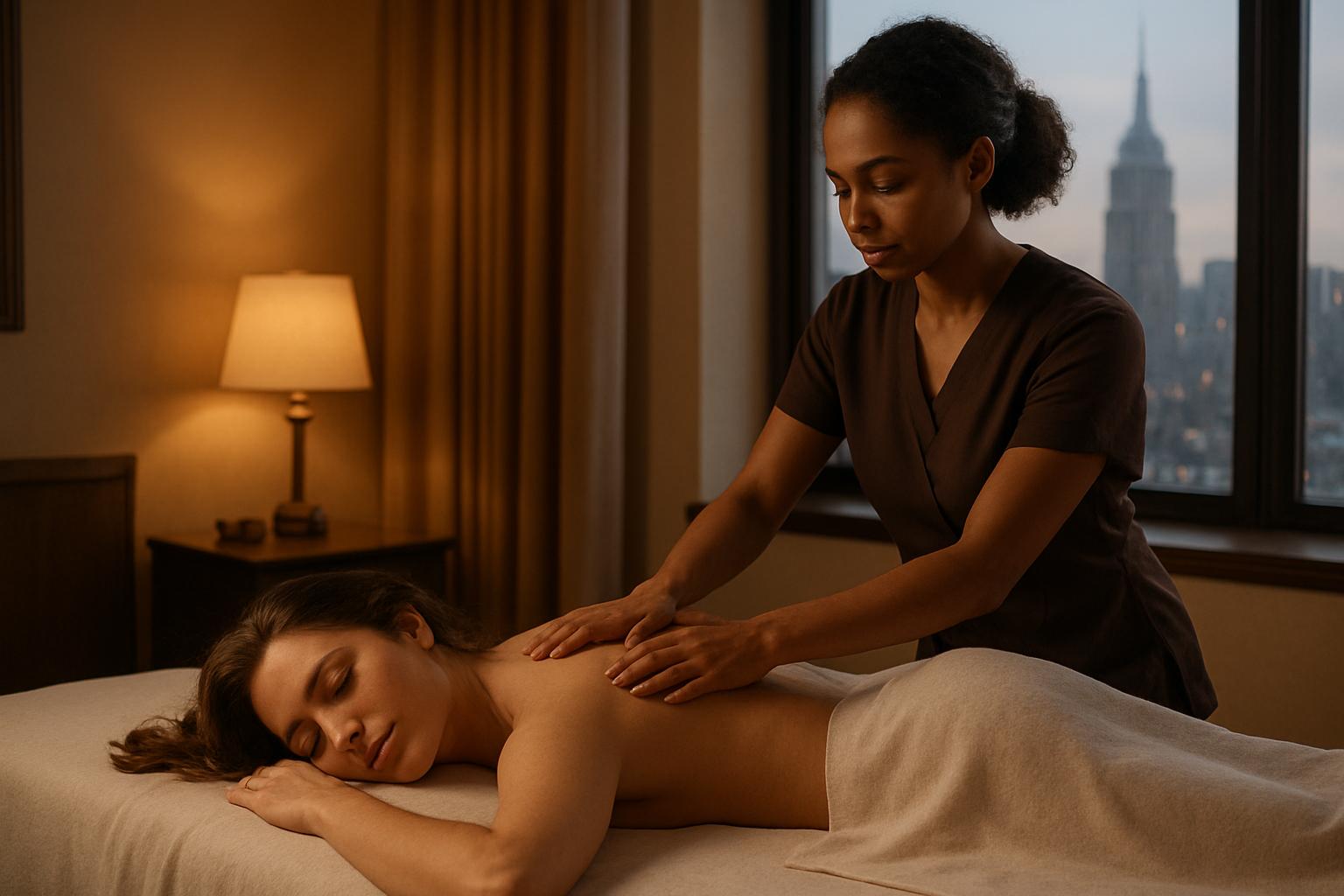
Exploring sensual massage in New York can be a gentle, grounding way to reclaim time in a city that rarely slows down. Approach the experience with clear communication, realistic expectations, and an eye for professionalism. When done right, this kind of bodywork helps people reconnect to themselves and, if desired, to their partners—with respect and consent at the center of every touch. Whether you’re searching for a quiet sanctuary near your apartment or a couple’s workshop to deepen intimacy, the city offers options—if you know how to choose wisely.
Conclusion
Sensual massage in New York, practiced ethically and professionally, is less about indulgence and more about tending to the nervous system, cultivating presence, and restoring balance; by doing your homework—vetting providers, asking the right questions, and honoring boundaries—you can find a safe, effective way to slow down and reconnect in the middle of the city’s constant motion.