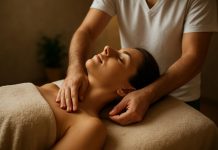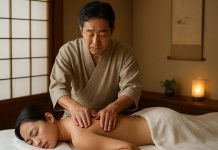

When two people decide to share a massage, it can become a small ceremony: a way to exchange care without words, to slow down and notice one another. For lesbian couples or women wanting to connect with other women in a gentle, sensual way, a massage can be both relaxing and intimate without crossing boundaries you aren’t ready to cross. This article walks through how to prepare, techniques that prioritize comfort and sensory awareness, and how to keep communication central so the experience feels nourishing for both partners.
Setting the Scene: Ambience, Consent, and Safety
Before you touch a partner, take a few minutes to set the environment. Temperature, lighting, and scent all affect how touch is received. Dim lighting or soft lamps create privacy, while a slightly warm room helps muscles relax. Choose music that both partners enjoy—something slow and unobtrusive. Most importantly, talk about boundaries and consent. Ask what areas are off-limits, what kind of pressure feels good, and whether one partner prefers silence or conversation. A short, clear check-in eliminates guesswork and builds trust.
Practical Safety Tips
Use only clean towels and freshly washed hands. Keep fingernails trimmed to avoid scratching, and be mindful of any cuts, rashes, or skin conditions. If either partner has allergies, test oils on a small patch of skin first. If someone has a medical condition—like high blood pressure, pregnancy, or recent surgery—consult a healthcare provider before attempting certain techniques. When in doubt, stick to gentle, non-invasive methods.
Choosing Oils and Lotions: What Works Best
Oils make hands glide smoothly and reduce friction, which is kinder to the skin. The right carrier oil feels pleasant and absorbs at a rate that suits the session. Avoid heavily perfumed products if either partner is sensitive to scent; natural or lightly scented oils are usually best. Below is a simple comparison to help you choose.
| Oil | Best For | Scent | Notes |
|---|---|---|---|
| Jojoba | All skin types, including sensitive | Very mild | Absorbs well, close to skin’s natural oils |
| Sweet Almond | Dry skin, nourishing | Light nutty | Popular, affordable; avoid if nut-allergic |
| Coconut (fractionated) | Smoother glide, tropical feel | Light coconut | Non-greasy options available; avoid heavy unrefined coconut |
| Grapeseed | Light and fast-absorbing | Almost neutral | Good for longer sessions where you want less residue |
A Basic Sensual Massage Sequence
A simple, repeatable sequence helps keep hands focused on the task and lets both partners relax into the rhythm. Below is a beginner-friendly order that you can adapt. Each step can last several minutes; listen to feedback and slow down as needed.
- Start with a whole-body survey: light, long strokes from shoulders to hips to let the receiving partner acclimate to your touch.
- Work the shoulders and upper back with gentle kneading and sliding motions to ease tension.
- Move to the arms and hands—these often carry stress. Use thumb circles along forearms and gentle squeezes on palms.
- Massage the lower back and hips with broader strokes, being mindful of pressure and comfort.
- Shift to the legs and feet: slow, long glides and gentle compressions feel grounding.
- Finish with a calming scalp massage or soft face and neck touch to bring the session to a peaceful close.
Techniques That Feel Sensual Without Being Explicit
0
There’s a difference between sensual and overtly sexual massage. Sensual techniques focus on heightened awareness of the senses: slow pace, varied pressure, and attention to breath. Try long, unbroken strokes (effleurage) that trace the shape of the body, alternating with gentle kneading (petrissage) to release knots. Feather-light fingertip tracing around the collarbone, behind the ear, or along the forearm can feel deeply intimate without sexualization. Keep motion intentional and responsive—small changes in pressure or direction can communicate care.
Communication: The Heart of a Good Session
Small verbal check-ins are essential. Ask what pressure they want—lighter, deeper, or the same—and whether to continue or switch areas. Nonverbal cues matter too: relaxed breathing, sighs, and body language tell a lot. If either partner prefers nonverbal cues, agree on a simple signal (a light tap, for example) to indicate “softer” or “stop.” Remember that preferences can change mid-session; be prepared to adapt.
Language to Use
Use descriptive, neutral language rather than loaded terms. Instead of “Do you want more?” try “Is the pressure here okay?” This keeps the focus on comfort. If you’re exploring new territory—perhaps a more sensual approach than usual—talk about intentions beforehand. Saying “I want to be present with you” frames the touch as caring and consensual.
When to Pause or Stop
Always respect a request to pause or end the massage, no questions asked. If a partner seems tense or withdraws physically, stop and check in. Pausing to offer water, a warm blanket, or a quiet moment can restore ease and demonstrate respect for their boundaries.
Aftercare: Ending with Care
Aftercare is often overlooked but it’s where connection deepens. Once the massage is over, give the receiving partner a moment to breathe and re-orient. Offer water and help them sit up slowly. A light cuddle, hand-hold, or quiet conversation about what felt good solidifies the experience. If you noticed any tender spots or areas of unexpected sensitivity, discuss whether they’d like more gentle attention next time or prefer to avoid those spots.
- Offer water and a warm towel to remove excess oil.
- Check in about pressure and areas that felt particularly relieving or uncomfortable.
- Keep the mood calm to avoid an abrupt transition back to day-to-day energy.
Adapting for Different Dynamics and Comfort Levels
Every couple is different. Some will find a massage an intensely romantic form of touch, while others will treat it as purely therapeutic. Match your approach to what both partners enjoy. For people new to touch, keep sessions short—20 to 30 minutes—to prevent overstimulation. Experienced partners may prefer longer, more exploratory sessions. If one person enjoys giving and the other prefers receiving, consider alternating roles or booking occasional professional sessions to learn new techniques together.
Learning Together
Take a class, watch instructional videos from reputable massage educators, or read books on bodywork to expand your skills. Learning together has benefits beyond technique: it creates shared language around touch and helps normalize asking for feedback. Practice on non-intimate days too—simple shoulder and hand massages can be a daily ritual that strengthens connection.
Etiquette and Boundaries Specific to Lesbian and Women’s Intimacy
Lesbian couples may bring their own cultural and personal contexts to touch—past experiences, body image concerns, or political histories can shape how sensual touch is received. Be extra mindful of power dynamics that might exist in the relationship and take time to negotiate what feels safe. Keep consent ongoing and check in often, especially when introducing more sensual elements. Mutual respect, transparency, and humility go a long way toward making touch genuinely pleasurable.
Conclusion
0
Sensual massage between women can be a gateway to greater intimacy, trust, and relaxation when approached with care. The recipe is simple: set a comfortable scene, choose safe and pleasant oils, use slow and attentive techniques, and keep communication at the center of the practice. Whether you aim for a brief nightly ritual or an extended weekend session, prioritize consent, boundaries, and aftercare. Done right, a massage becomes more than a technique—it’s a way of saying, without words, “I see you, I care for you, and I’m here.”