
Strolling uptown and spotting a cozy sign promising “Thai massage” can stir curiosity: is this the ticket to unwind after a long day, or a mysterious ritual best left to the experts? If you live or work uptown, or you’re visiting a bustling neighborhood and want to try something that mixes deep stretching, gentle joint mobilization, and pressure-point work, Thai massage uptown can be surprisingly accessible and effective. This article walks you through what it is, what to expect, how to pick the right place, and how to leave feeling genuinely better—not just polite about the experience.
What Is Thai Massage?
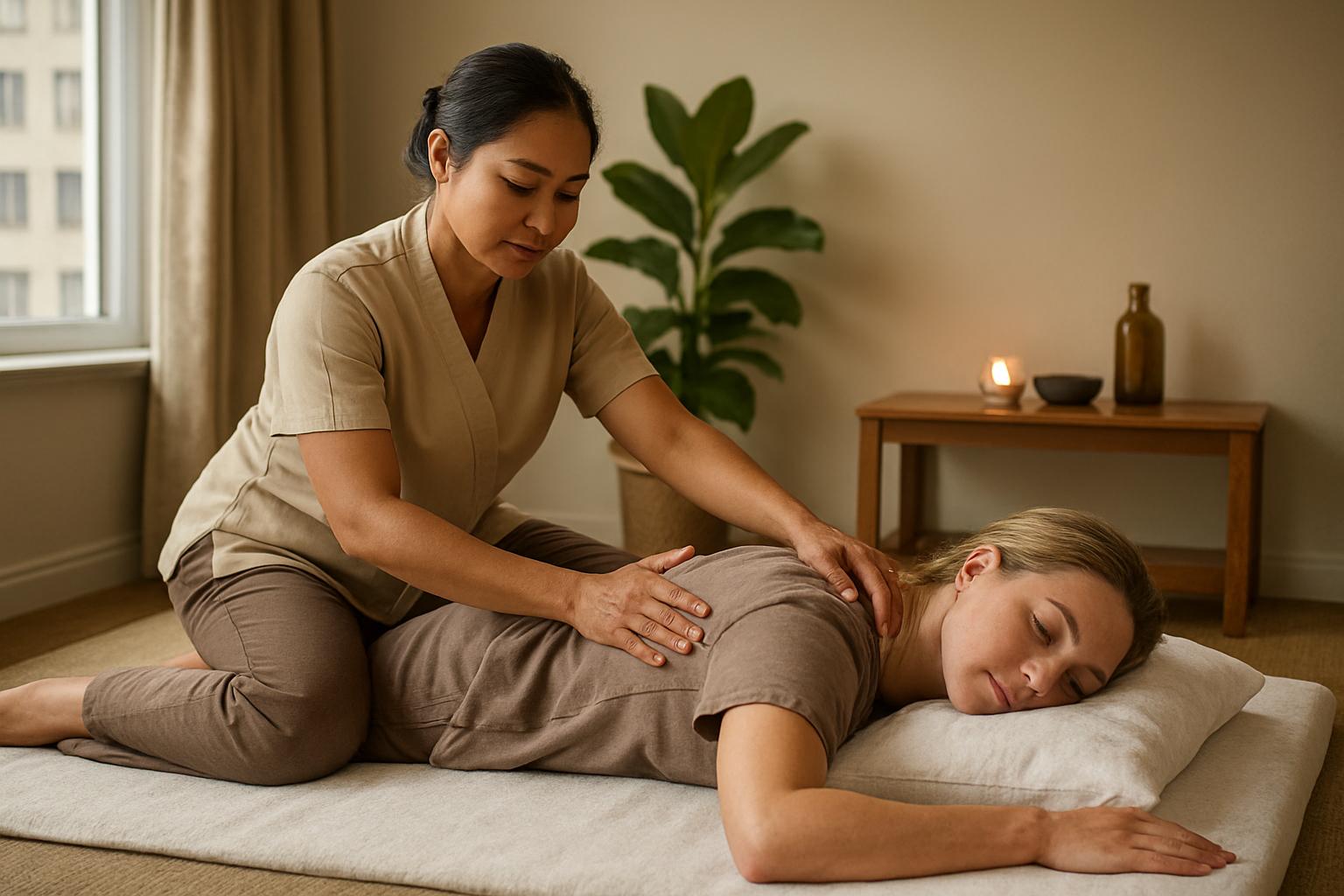
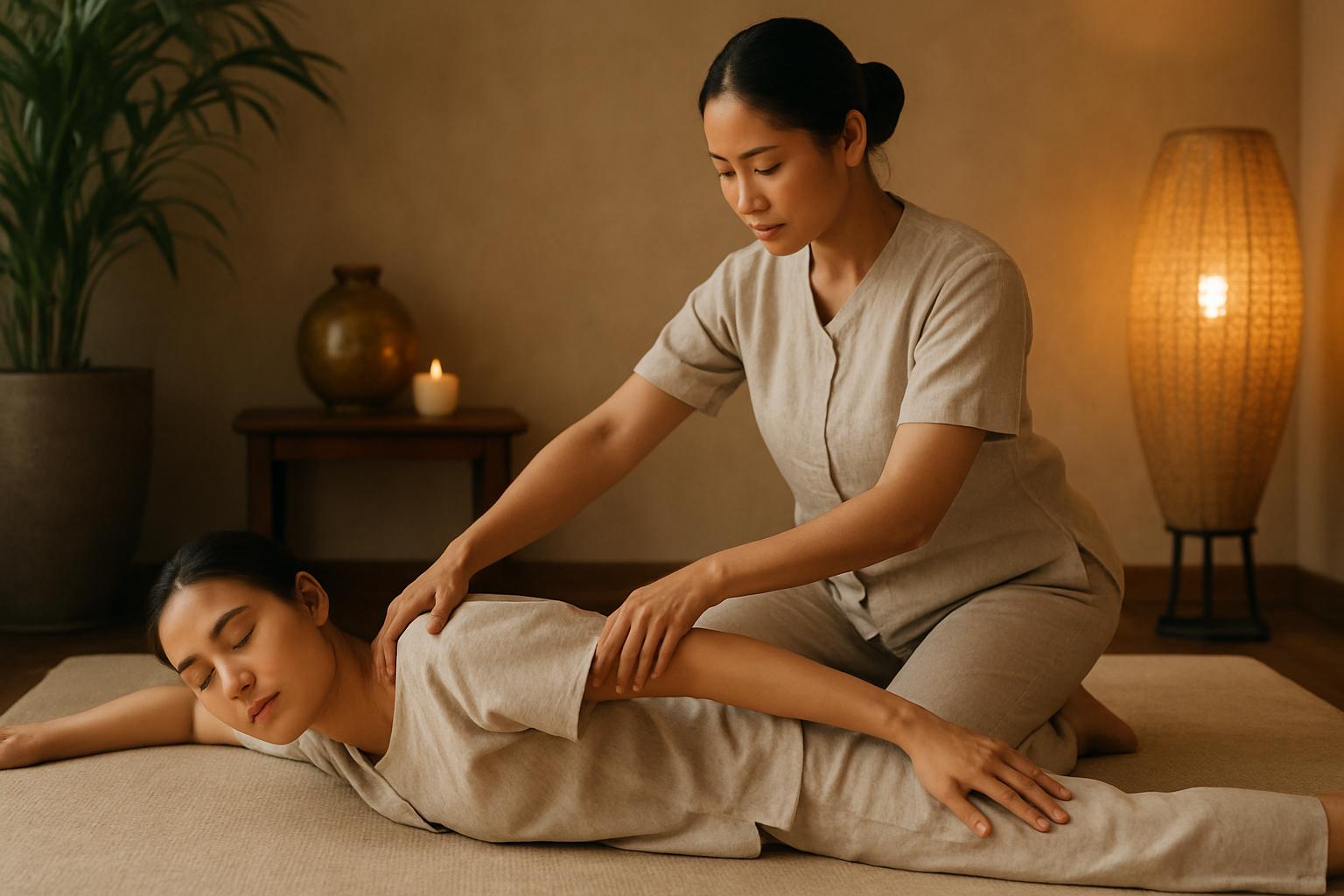
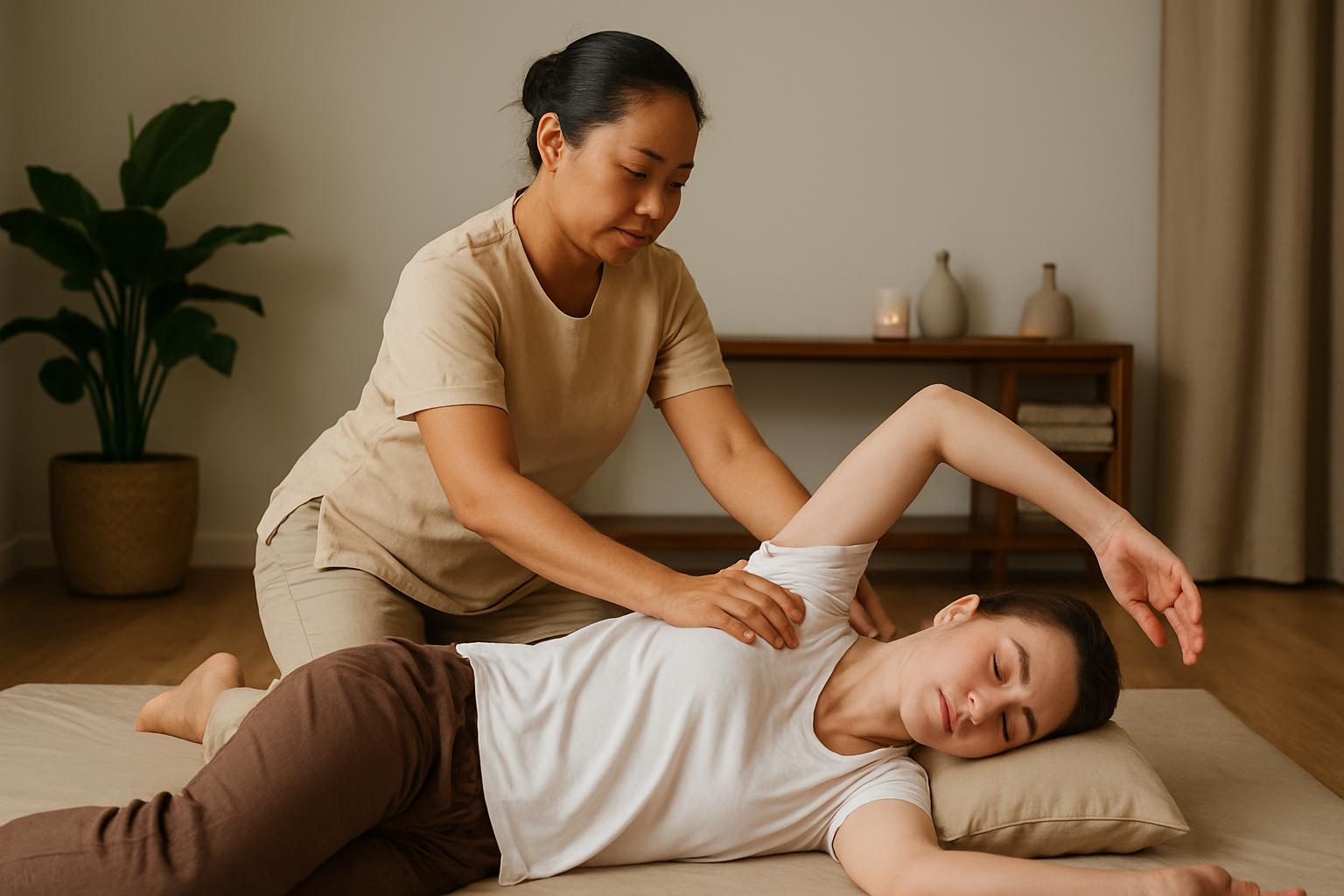
Thai massage, traditionally called Nuad Boran, is a hands-on system that blends acupressure, assisted yoga-like stretches, and rhythmic compressions. Unlike many Western massages that use oil and a table, Thai massage often happens on a mat with the recipient fully clothed and the practitioner using palms, thumbs, elbows, knees, and feet to manipulate the body. It’s built around the concept of energy lines—sen—where the therapist aims to clear blockages by combining stretching and pressure.
Why Try Thai Massage Uptown?
Uptown locations bring a few practical perks: they’re near work, transit, and evening plans, which makes it easier to make care part of your routine. Clinics and spas in these parts often cater to busy professionals, offering flexible hours, express sessions, and a blend of traditional and modern approaches. Whether you want a brisk 30-minute session on a lunch hour or a longer therapeutic appointment, finding Thai massage uptown means convenience without sacrificing authenticity.
Benefits You’ll Notice
- Improved flexibility and range of motion—thanks to passive stretching.
- Reduced muscle tension and relief from chronic tightness in hips, shoulders, and back.
- Circulation boost and a grounded sense of relaxation after focused pressure work.
- Enhanced posture and body awareness, because the stretches teach the body new movement patterns.
- Quick recovery from desk-related stiffness, which many people in uptown settings experience.
Types of Thai Massage You’ll Find
Not every spa uses the same approach. Some prioritize traditional sequences taught in Thailand, while others blend Thai methods with aromatherapy, oil work, or deep tissue techniques. The table below helps you spot the differences when you’re looking for a Thai massage uptown.
| Type | What It Involves | Best For | Typical Session Length |
|---|---|---|---|
| Traditional Thai (Nuad Boran) | Mat work, rhythmic compressions, assisted stretches, no oil | Flexibility, joint mobility, overall balance | 60–120 minutes |
| Thai Oil Massage | Oil is used; combines Thai stretches with flowing strokes | Relaxation with deeper tissue work | 60–90 minutes |
| Thai Foot Massage | Stimulates reflex points on feet; often includes lower-leg stretches | Foot pain, circulation, quick recovery | 30–45 minutes |
| Thai Herbal Compress | Warm herbal bundles applied to tense muscles and joints | Inflammation, deep relaxation | 60–90 minutes |
What to Expect During a Session
When you book a Thai massage uptown, the practical flow is usually: arrive a few minutes early, fill out a short health form, discuss goals with the therapist, and change into comfortable clothing if you aren’t already wearing it. Sessions on a mat let therapists use body weight and leverage to apply pressure and move you into stretches. If pressure is too intense, speak up—therapists adjust quickly when given clear feedback.
Typical Session Steps
- Intake and goals: brief conversation about pain, injuries, or areas of focus.
- Warm-up: light compressions and movement to prepare tissues.
- Stretching and pressure work: sequences that flow with breath and rhythm.
- Closing: gentle cocooning or passive holds to integrate the session’s effects.
Etiquette and Practical Tips
Respectful behavior makes for a better session. Wear loose clothing—yoga pants or breathable pants work well. Arrive on time to avoid a rushed treatment. Because Thai massage can be physical and intimate by nature, communicate boundaries clearly before and during the session. Tipping norms vary by neighborhood, but a modest gratuity for good work is customary in many uptown spas.
Do and Don’t Checklist
- Do tell the therapist about injuries, pregnancy, or recent surgeries.
- Do ask about the therapist’s experience with Thai massage techniques.
- Don’t eat a heavy meal right before your appointment.
- Don’t be afraid to request lighter pressure or pause when needed.
How to Choose the Right Uptown Spa or Therapist
Picking a place for Thai massage uptown can be a small project. Start by reading recent reviews that mention technique, cleanliness, and therapist professionalism. Look for therapists who have trained in Thai massage specifically—traditional schools in Thailand or reputable local programs are good signs. Visit or call and ask about session lengths, prices, and cancellation policies.
Quick Selection Checklist
- Valid business license and clear pricing
- Therapist training in Thai methods or supervised apprenticeship
- Clean treatment spaces and comfortable mats or tables
- Flexible scheduling for lunch breaks or after-work sessions
- Clear intake forms and a willingness to discuss medical history
Pricing and Packages
Uptown pricing depends on location and prestige. Expect a range from shorter 30-minute express sessions to premium 90–120 minute therapeutic appointments. Many uptown centers offer package deals—buy several sessions at a discount—or lunchtime specials for a quick 30–45 minute reset. Consider a first-time longer session if you want a thorough assessment and treatment plan.
Safety, Contraindications, and When to Skip It
Thai massage is generally safe, but it’s not right for everyone. If you have an active infection, deep vein thrombosis, recent fractures, uncontrolled hypertension, or are in the early stages of pregnancy, consult a healthcare provider before booking. Therapists should screen for these conditions as part of intake.
Red Flags to Tell Your Therapist
- Recent surgeries or broken bones
- Unexplained swelling or numbness
- High-risk pregnancy or bleeding disorders
- Severe osteoporosis or unstable spine conditions
Training and Certification to Look For
Therapists who specialize in Thai massage often train at dedicated schools or undergo apprenticeships with experienced practitioners. While credentialing varies by country and region, ask where the therapist trained, how long they practiced, and whether they have continuing education in anatomy or therapeutic techniques. A confident, transparent therapist who explains their approach is usually a reliable sign.
Aftercare: How to Extend the Benefits
After a Thai massage uptown, simple steps can help the effects last longer. Drink water to support circulation and toxin elimination. Move gently—short walks or light stretching keep tissues mobile. Avoid heavy exercise for several hours, and allow your body to rest. If pain or unusual symptoms arise after a session, contact your therapist or a healthcare professional.
Quick FAQ
- Does Thai massage hurt? It can be intense when deep work or strong stretches are used, but therapists should adjust pressure to your comfort level.
- Is it sexual? No. Professional Thai massage is therapeutic work focused on movement and pressure. If anything feels inappropriate, end the session and report the behavior.
- How often should I get Thai massage? For maintenance, once every two to four weeks works for many people; for acute issues, a short course of weekly sessions may help.
- Can I request specific areas? Absolutely—therapists welcome clear communication about problem areas.
- Do I need to undress? Most Thai massage is performed fully clothed; for oil-based variations, modest disrobing may be requested under proper draping.
Finding a First Session Uptown
Look for a place that offers a clear menu of services and a straightforward booking process. Many uptown studios publish therapist bios and specialties online—scan those to match your needs. If you’re nervous, choose a shorter appointment first or ask for a therapist experienced in working with beginners. A good first Thai massage uptown should leave you curious for more, not sore or uncertain.
Conclusion
Thai massage uptown offers a blend of practicality and tradition: convenient locations, varied session lengths, and techniques that address flexibility, tension, and posture. By choosing a reputable therapist, communicating clearly about your health and preferences, and following simple aftercare, you can make Thai massage a smart part of your self-care routine—one that loosens tight shoulders, opens hips, and adds an unexpected dose of calm to the city bustle.