
“Happy ending massage” is a phrase that turns up in conversations, listings, and headlines more often than you might expect. It carries a heavy mix of curiosity, judgment, and legal concern. This article walks through what the phrase usually implies, why it matters for both clients and practitioners, and how to navigate encounters with clarity, safety, and respect for the law. No sensationalism — just a realistic look at the term, its consequences, and safer alternatives.
What the Phrase Refers To and Why It Matters
At its core, the words “happy ending massage” are shorthand for a massage experience that ends with a sexual release provided by the therapist. That association is widely recognized, which is why the phrase has cultural traction despite being vague and loaded. For some people it’s a form of sex work, for others it’s shorthand for an illegal, unregulated service offered under the guise of legitimate therapy. Either way, the label matters because it touches on consent, legal boundaries, public health, and workers’ safety.
Understanding the phrase is not about moralizing. It’s about recognizing the practical implications — the kind of services being offered, the risks involved, and the legal frameworks that apply. That awareness helps potential clients make safer choices and helps professionals protect their practices and reputations.
Legal and Professional Context: What to Know
Regulation around sexual activity in massage settings varies dramatically by jurisdiction. Many cities and countries explicitly prohibit sexual services in licensed massage businesses, and offering a “happy ending massage” in those places can result in criminal charges, license revocation, and fines. Conversely, in some areas where sex work is legal and regulated, services resembling a “happy ending” may be governed differently.
Here are the main legal and professional points to keep in mind:
- Licensing: Legitimate massage therapists typically hold a license and work in registered clinics or spas; licensed settings usually forbid sexual activity.
- Criminal law: Solicitation, prostitution, and employing sexual services in commercial premises are often illegal and can result in arrest or charges.
- Employment and safety: Practitioners offering sexualized services risk exploitation, coercion, and unsafe working conditions.
- Business consequences: Advertising or knowingly facilitating sexual services can jeopardize a business’s insurance, zoning approvals, and professional affiliations.
Health and Safety Considerations
When a “happy ending massage” is part of an unregulated or clandestine service, health risks increase. Non-clinical environments may lack infection control, informed consent procedures, or the option for clients and workers to report abuse. For anyone involved, these factors matter more than the label on a flyer.
Key safety considerations include privacy, STI risk mitigation, and a professional setting that respects boundaries. Licensed therapists are trained in hygiene, anatomy, and client communication. When those safeguards are absent, both clients and providers face elevated physical and legal risks.
Spotting Professional vs. Illicit Services
Telling the difference between an ethical massage practice and an illicit operation often comes down to a few observable signs. Legitimate clinics display credentials, maintain clear pricing and services, and have structured intake and consent processes. Illicit services may avoid formal listings, use euphemistic language, or operate from transient locations.
| Professional Practice | Signs of Illicit/Unlicensed Service |
|---|---|
| Visible therapist licensing and business registration | No licensing shown, inconsistent contact information |
| Clear service menu and written consent forms | Ambiguous or evasive service descriptions |
| Clinic standards for hygiene and confidentiality | Improvised treatment spaces, lack of basic sanitation |
| Professional referrals and reviews focused on therapeutic outcomes | Reviews emphasizing sexual services or using coded language |
Practical Tips for Clients Seeking Ethical Massage Care

If you want a legitimate massage experience and want to avoid illegal or unsafe situations, a few simple steps will steer you straight. Start by checking credentials and reading recent reviews. Ask about training, modalities offered, and whether the therapist is licensed in your jurisdiction. A reputable provider welcomes questions; evasiveness is a red flag.
- Verify licensing with local boards or professional directories.
- Look for a clear service menu and written intake forms.
- Confirm the clinic’s hygiene and cancellation policies.
- Avoid providers who use sexualized language or offer services “off the books.”
- Report suspicious activity to local authorities or licensing boards if you encounter coercion or trafficking concerns.
Alternatives That Respect Boundaries and Intimacy
Some people are drawn to the idea behind the phrase “happy ending massage” because they seek intimacy, relaxation, or stress relief. Those needs can be met in many lawful, ethical ways. Couples’ massages, sensual touch workshops focused on consent, and licensed sex therapists who work on intimacy are all options that address emotional and physical closeness without violating legal or professional norms.
Here are a few alternatives that maintain safety and consent:
- Couples’ massage sessions with clear boundaries and mutual agreement.
- Licensed sex or relationship therapists who help with sexual concerns in a clinical setting.
- Consent-focused bodywork workshops that teach safe, non-sexual touch skills.
- Community resources for sexual health and education that promote safe practices.
When You Encounter or Suspect Illegal Activity
Finding illicit services or witnessing coercion in the massage industry raises important responsibilities. If you suspect human trafficking, exploitation, or coercion, prioritize the safety of the individuals involved. Avoid confronting suspected perpetrators directly. Instead, document what you can safely observe — dates, locations, advertising details — and report to local law enforcement, a licensing board, or a human trafficking hotline.
If you’re a practitioner who feels pressured to provide sexual services, seek support from professional associations, labor rights organizations, or legal counsel. Many regions offer confidential reporting for workers facing exploitation. Protecting one’s legal status and personal safety often requires outside help.
How Industry Change Can Reduce Harm
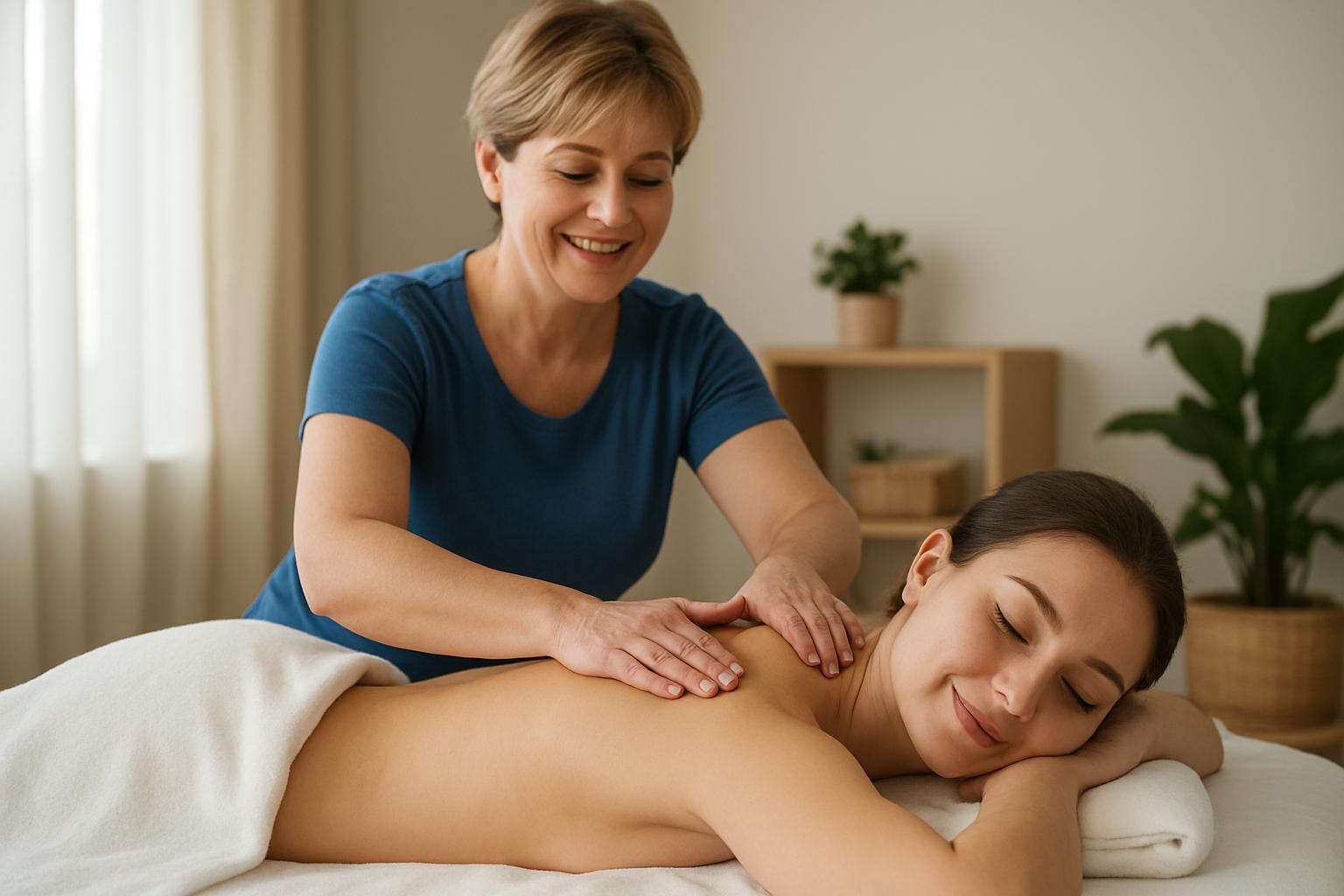
Reducing the harms associated with sexualized services offered under the guise of massage requires efforts on several fronts: stronger enforcement of licensing laws where appropriate, accessible and nonjudgmental routes for both clients and workers to report illegal activity, and support networks for practitioners who face coercion. Consumer education also plays a role: when clients demand professionalism and transparency, the marketplace adjusts.
Professional associations can bolster safety by promoting clear codes of conduct, offering continuing education in ethics, and partnering with community services to protect vulnerable workers. Meanwhile, sensible public policy — combining enforcement with support for people exiting exploitative situations — can improve outcomes for everyone involved.
Final Words on a Loaded Phrase
“Happy ending massage” is shorthand for a wide range of realities: from consensual sex work in regulated contexts to illegal, exploitative services in hidden corners of the industry. Understanding the term’s implications helps you make informed choices — whether you’re searching for legitimate bodywork, trying to protect a business’s reputation, or wanting to avoid situations that could put you or others at risk. Focus on credentials, clear communication, and respect for boundaries. When in doubt, choose providers with transparent practices and report anything that suggests coercion or trafficking.
Conclusion
The phrase “happy ending massage” often signals situations where ethics, law, and safety collide; approach the topic with awareness rather than curiosity, choose licensed, transparent providers for therapeutic needs, and report or seek help if you encounter exploitation or illegal activity—doing so protects both clients and the professionals who deserve safe, respected work environments.