
Walking past a storefront that promises “authentic Thai massage” can feel straightforward — until you start seeing the same term used in ads that seem aimed at something else entirely. The phrase thai massage escort has grown into a catch-all that mixes a genuine healing art with commercialized, sometimes sexualized services. That muddle leaves people confused: are they booking a centuries-old bodywork session, or signing up for something with very different expectations and risks? This article untangles those threads, explains what a traditional Thai massage actually is, outlines how the word “escort” gets attached to massage in some markets, and gives clear, practical advice for anyone trying to find safe, legal, and respectful services.
What Traditional Thai Massage Really Is
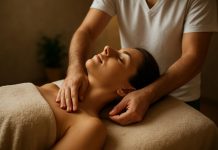
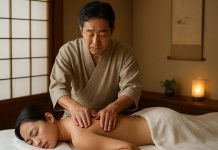
Traditional Thai massage — often called nuad boran — is a structured form of bodywork developed in Buddhist monasteries centuries ago. It combines acupressure, rhythmic pressing, and assisted stretching, performed while the recipient wears loose clothing. A session looks more like a mobile yoga class than a spa using lotions or oils: the practitioner uses hands, forearms, elbows, knees and feet to guide movement and apply pressure. The intended benefits are physical and energetic, including increased mobility, reduced muscle tension, and improved circulation. Licensed schools and certifications exist, and reputable therapists study anatomy and technique before offering services to the public.
How “thai massage escort” Became a Confusing Phrase
Language shifts in commercial contexts. In some places, businesses or independent providers insert the phrase thai massage escort into online listings to attract broader search traffic. In other cases, the term is used intentionally to signal the availability of sexual services alongside or instead of therapeutic massage. The result is ambiguity: a single phrase can point to a legitimate spa, a private practitioner, or an illicit offering. Knowing which side of that line you’re dealing with requires context clues, verification, and a bit of caution.
Legal and Ethical Considerations You Should Know
Laws about sex work and commercial massage vary widely by country, state, and city. In many places, offering sexual services for payment is illegal; in some jurisdictions it is regulated. Beyond legality, there are serious ethical concerns: human trafficking and exploitation can be hidden behind seemingly innocuous ads. When the phrase thai massage escort is used to mask trafficking or coercion, customers can unwittingly become part of a harmful system. For that reason it’s important to favor transparent, licensed providers and to report anything that looks coerced or unsafe to local authorities or trafficking hotlines.
Table: Comparing Legitimate Thai Massage and Sexualized Services
| Feature | Traditional Thai Massage | Sexualized/Escort-Type Offerings |
|---|---|---|
| Setting | Professional spa or licensed studio | Private apartments, hotel rooms, or unregulated parlors |
| Attire | Client remains clothed in loose garments | Often involves disrobing or suggestive photos |
| Service Description | Stretches, pressure points, energy line work | Promises of companionship or sexual activity |
| Payment Transparency | Set rates, receipts, business registration | Cash-only, vague pricing, additional “extras” |
| Safety & Ethics | Licensing, training, business reviews | Risk of coercion, illegal activity, little oversight |
How to Spot a Professional Thai Massage Provider
Several reliable signals point to legitimacy. Look for clear business details: a physical address, a published price list, practitioner bios that mention training and certification, and reviews on independent platforms. Professional studios will describe their techniques without sexual language and will maintain consistent hours and a visible cancellation policy. Photos should show treatment rooms rather than posed, sexualized snapshots. If a listing uses the phrase thai massage escort in ways that obfuscate services, treat it as a red flag until you can confirm the provider’s credentials.
What to Expect During a Proper Session
A standard traditional session starts with a short consultation about health history and specific complaints. You’ll change into loose clothing provided by the studio or wear your own comfortable clothes. The therapist works on a padded mat on the floor or a massage table, using rhythmic pressure and guided stretches that can create a sense of release and increased range of motion. Conversation is usually minimal and centered on comfort and breathing. The environment is calm, with soft lighting and no pressure to accept anything beyond the agreed-upon treatment.
Red Flags and Safety Tips When You Encounter Sexualized Ads
- Do not respond to ads that emphasize sexual perks, use explicit language, or ask for upfront cash-only “deposits.”
- Avoid private locations if you don’t know the person; reputable businesses have fixed addresses and public booking systems.
- Trust your instincts: if something feels off, cancel and seek a verified provider instead of risking your safety.
- Bring a friend, let someone know where you’re going, and check online reviews from multiple sources.
- Document suspicious behavior with screenshots and report it to local authorities or online platforms hosting the ad.
Why Some People Look for Escorts Alongside Massage
It’s worth acknowledging human motives without judgment. Some people seek intimacy, companionship, or sexual services, and in markets where sex work is regulated or tolerated, escorts provide those services consensually. Others may conflate therapeutic touch with sexualized offerings because they want both massage and sex. The key difference lies in consent and transparency: when services are offered openly, legally, and consensually, adults can make informed choices. Problems arise when sex work is illegal, arrangements are hidden behind ambiguous terms like thai massage escort, or when coercion and trafficking are involved.
Alternatives That Keep Safety and Well-Being in Mind
If you’re looking for non-sexual intimacy or companionship, consider safer alternatives: join social clubs or activity groups, try couples massage with a licensed therapist, or explore therapeutic touch workshops designed for consent-based non-sexual contact. For physical relaxation, methods such as sports massage, chiropractic care, acupuncture, or supervised yoga can offer significant benefits without the complications that come with sexualized services.
Cost, Etiquette, and Tipping
Typical pricing for a legitimate Thai massage varies by region and studio, but transparency is common: hourly rates, package deals, and clear cancellation rules. Tipping practices differ by culture — in some places tipping is expected, in others it’s not customary. Etiquette-wise, show up on time, communicate your comfort level, and follow guidance about clothing and hygiene. If you suspect a provider is offering additional, unadvertised sexual services, refuse and leave. You should never feel pressured into anything beyond the scope of a professional session.
Where to Get Help or Verify Providers
Start local: health departments, business licensing agencies, and professional massage associations can confirm whether a studio is registered and whether practitioners hold recognized qualifications. For concerns about trafficking or coercion, national hotlines and local law enforcement are the appropriate contacts — many organizations maintain anonymous reporting options. Online communities and directories that vet therapists can also help, but cross-reference multiple sources: a single platform can be gamed, while consistent signals across sites offer stronger evidence of legitimacy.
Final Thoughts on Language and Respect
Words matter. The conflation of thai massage escort has consequences for practitioners, clients, and communities. For licensed therapists, it cheapens a legitimate healing tradition and can put them at risk of harassment or legal scrutiny. For clients, the ambiguity creates safety hazards and moral gray areas. Asking direct questions, verifying credentials, and prioritizing transparency benefits everyone. If you want a therapeutic experience, insist on a trained practitioner and a clear service description. If you seek intimacy or sexual services, educate yourself on local laws and choose regulated, consensual avenues — but never blur those lines without full awareness of the ethical and legal implications.
Conclusion
Understanding the difference between authentic Thai massage and offerings labeled with thai massage escort comes down to clarity, verification, and safety: look for licensed practitioners, check business details, heed red flags like vague language or cash-only terms, and avoid situations that feel coercive or secretive. Language has shifted in many markets, but you can protect your well-being by asking direct questions, using reputable sources, and favoring transparency. That way you get the benefits of genuine therapy without entangling yourself in legal or ethical risks.