
New York moves fast. Subways rattle, deadlines loom, and somewhere between a late-night slice and a morning meeting your shoulders gather small, stubborn knots. That’s where japanese massage ny can feel like a quiet rebellion — a practice brought from Japan’s centuries-old hands to pockets of calm scattered through Manhattan and Brooklyn. This article walks you through what to expect, how it differs from other bodywork, and practical tips for finding the right place in New York.
What Is Japanese Massage?
Japanese massage is an umbrella term for several traditional techniques that emphasize pressure, rhythm, and the body’s internal pathways. Shiatsu is the best-known style: it uses thumbs, fingers, palms, and sometimes elbows to apply firm, rhythmic pressure along meridians — channels thought to carry life energy. Anma and amma are older Japanese methods rooted in kneading, rubbing, and tapping. Kobido focuses on the face, combining acupressure with techniques meant to lift and stimulate circulation. In New York, you’ll encounter authentic practitioners trained in classical schools and therapists who blend Japanese methods with Western modalities.
How It Differs From Other Massages
Unlike a deep-tissue session that scrubs out muscle adhesions with long gliding strokes, many japanese massage ny styles concentrate mechanical force on specific points and reflex pathways. Shiatsu, for instance, stresses balance and flow rather than simply melting tight tissue. The result can feel more precise and sometimes surprising: a pressure held for an instant that releases tension in a different area. That focus on meridians and point work makes these treatments attractive to people seeking both physical and energetic relief.
Common Japanese Techniques Explained
Below is a simple table to compare the main methods you’ll find under the banner of japanese massage ny. It helps to know the basics before you book.
| Technique | Main Method | Typical Session | Common Benefits |
|---|---|---|---|
| Shiatsu | Thumbs, palms, elbow pressure on meridians | 45–90 minutes (clothed or lightly draped) | Relieves stiffness, balances energy, reduces stress |
| Anma / Amma | Kneading, rolling, percussion, stroking | 30–60 minutes | Improves circulation, soothes muscles, invigorates |
| Kobido | Facial acupressure, lifting techniques, gentle stretches | 30–60 minutes | Boosts circulation, tones skin, reduces facial tension |
Where Japanese Massage Fits into Your Wellness Routine
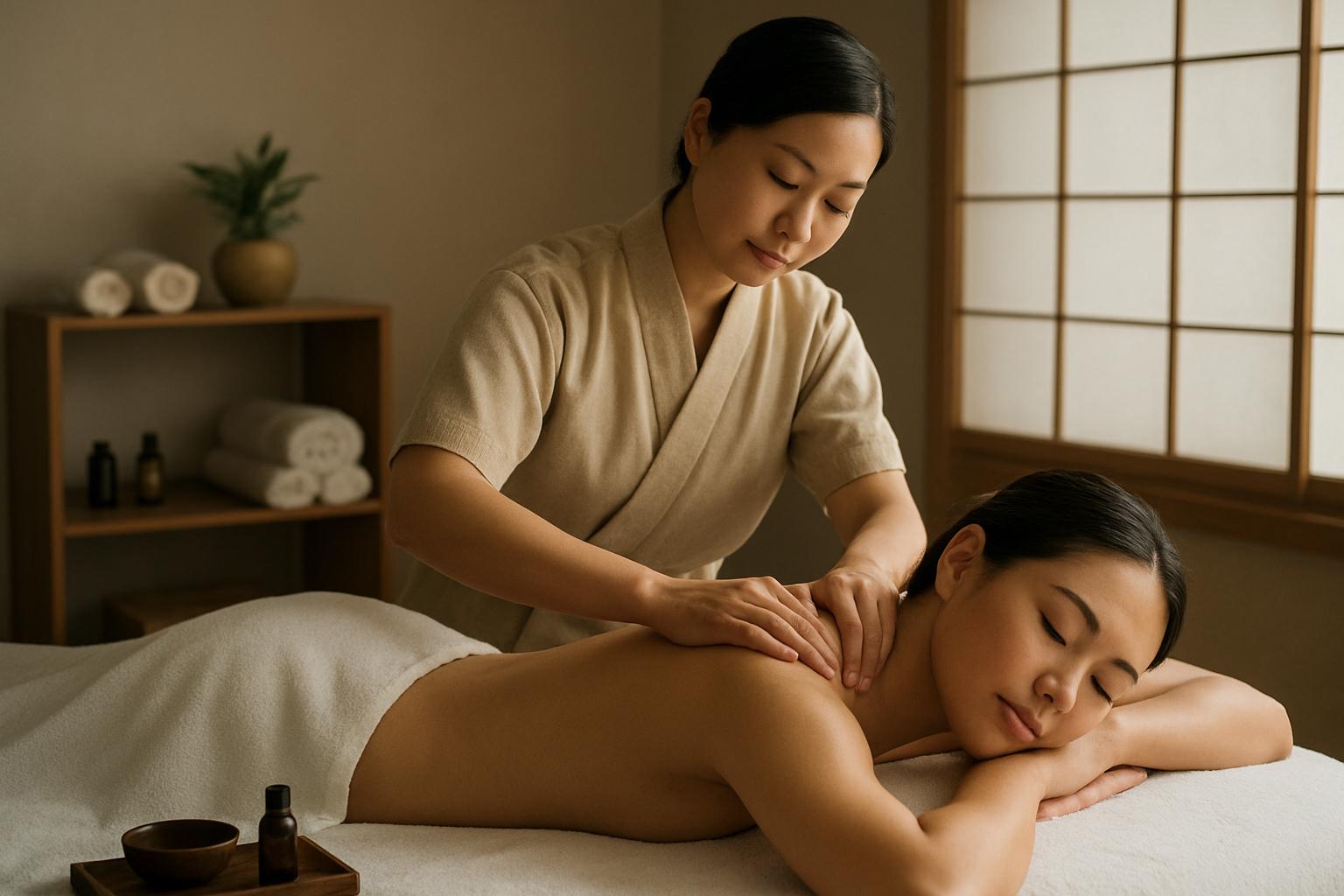
Think of japanese massage ny as a complement to other care: it can be a reset between physical therapy sessions, a weekly ritual like yoga, or an occasional deep breath when work piles up. Because Japanese methods often aim to rebalance rather than simply loosen, people report longer-lasting ease after sessions compared to blunt force techniques. In a city like New York, that efficiency matters.
What to Expect at a Session
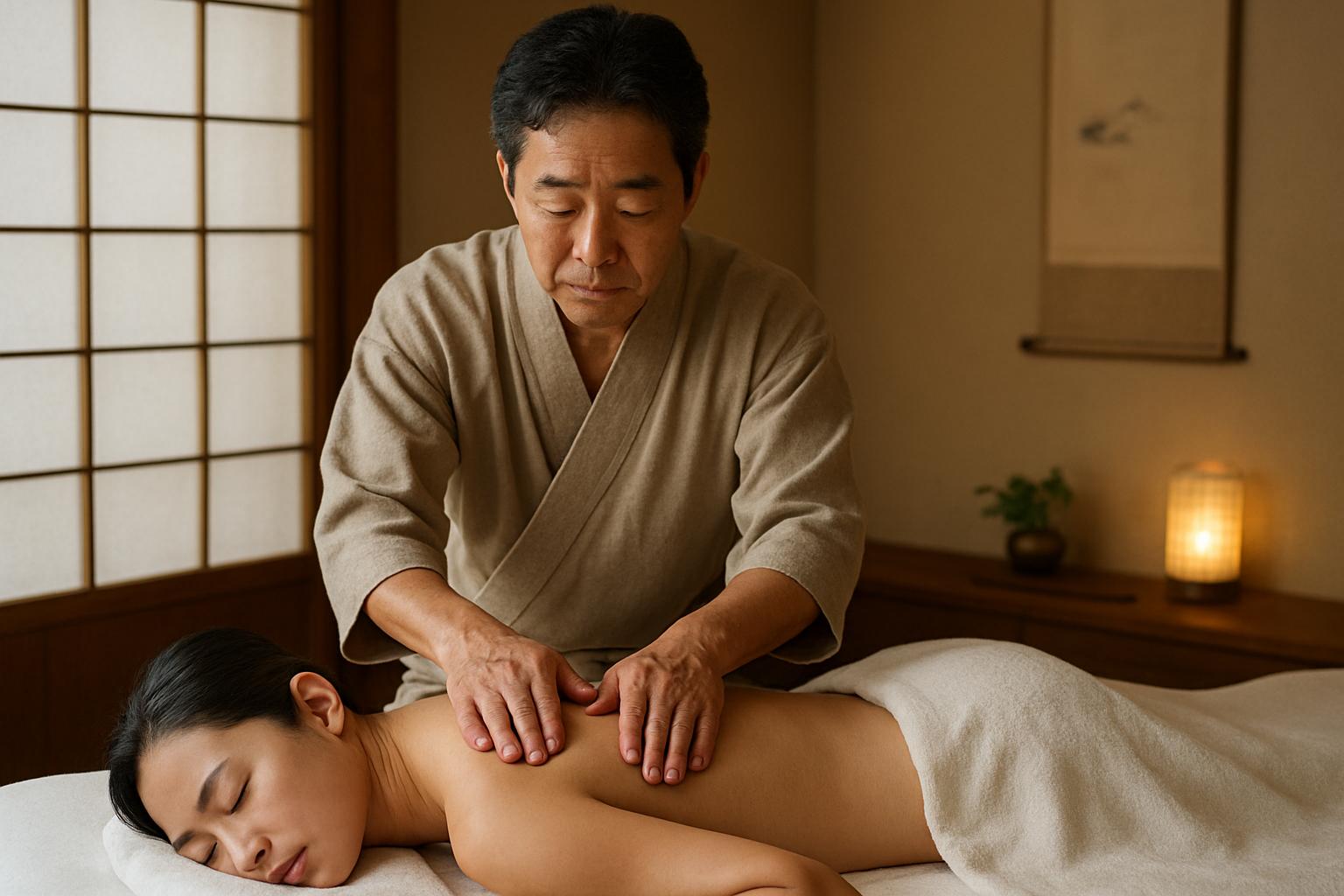
Appointments in New York vary by studio, but here are consistent elements. Most shiatsu or anma sessions take place on a futon or massage table; you may remain clothed in loose garments for shiatsu, while kobido will require you to remove makeup. The practitioner will ask about your health history and current complaints. Pressure is adjustable — assert your comfort — and sessions can pivot from soothing to invigorating. After the treatment you may feel relaxed or lightly energized; drinking water and walking slowly home are good follow-ups.
Questions to Ask Before Booking
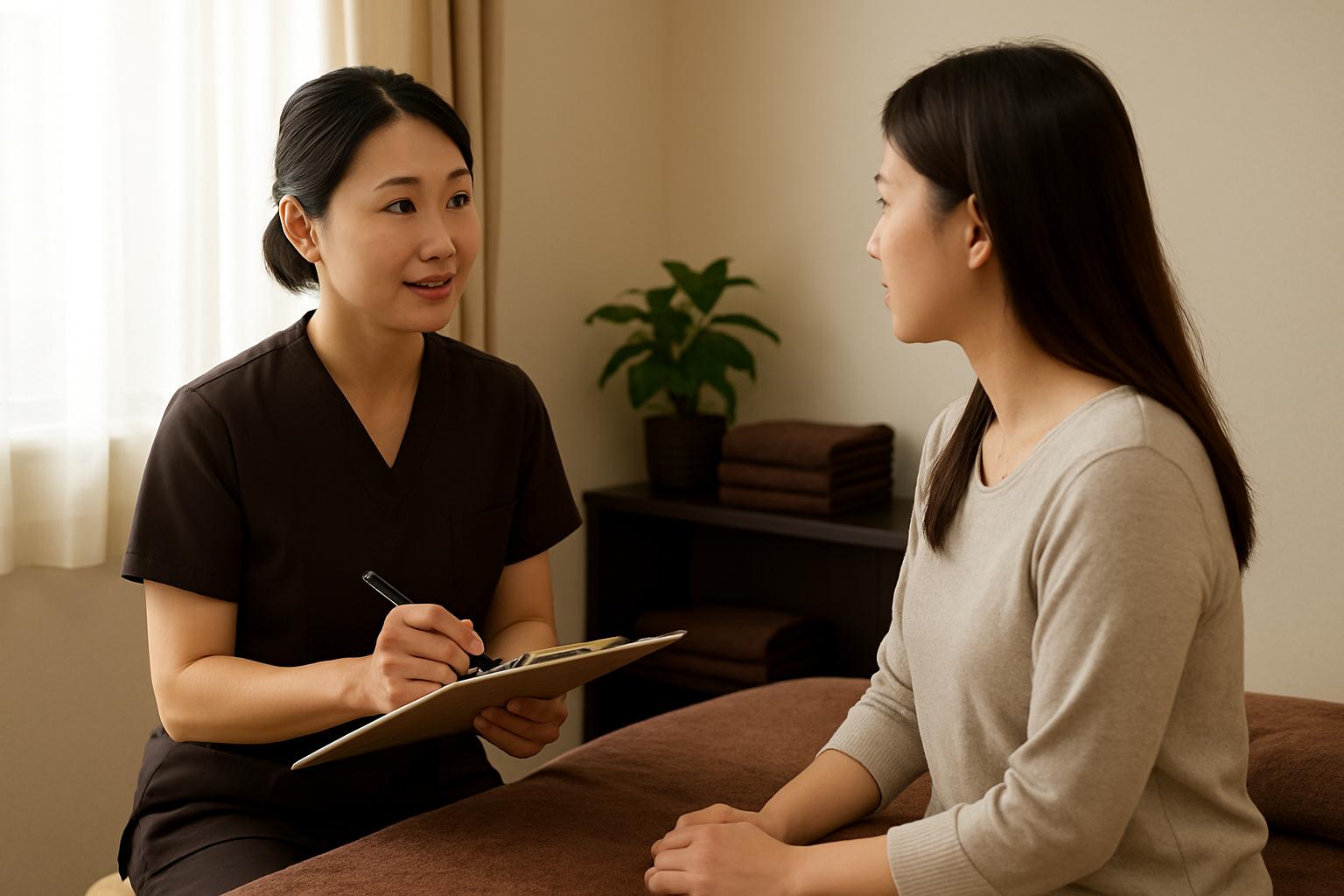
- What style of japanese massage ny do you specialize in?
- Is the practitioner certified in shiatsu, anma, kobido, or another tradition?
- Do I need to wear specific clothing, or will linens be provided?
- How long is the session and what does it cost?
- Are there any contraindications for my health conditions?
Choosing a Japanese Massage Studio in New York
New York offers a broad spectrum: small, family-run neighborhoods that replicate a Tokyo-style setting; high-end spas that fuse Japanese elements with modern luxury; and mobile therapists who work in-office or at home. When searching for japanese massage ny, pay attention to training credentials and client reviews. Some therapists train in Japan or through accredited schools in the U.S., while others learn through mentorship. Authentic lineage matters if you want classical technique; a friendly customer experience matters everywhere.
Price and Time Considerations
Prices in New York range widely. Expect a 30–60 minute session to fall between budget and premium depending on location and practitioner expertise. Below is a simple guide to typical price tiers you might encounter in the city:
| Tier | Typical Cost | What You Get |
|---|---|---|
| Budget | $40–$80 (30–45 minutes) | Basic anma or shiatsu, community clinics or small storefronts |
| Mid-range | $80–$150 (45–60 minutes) | Experienced practitioners, comfortable studios, private rooms |
| Premium | $150–$250+ (60–90 minutes) | Specialists, imported approaches, spa amenities |
Benefits and Practical Results
Japanese massage is used for many goals: easing chronic neck and back pain, improving sleep, releasing jaw tension, and calming anxiety. Clinical interest in shiatsu has grown because it can reduce musculoskeletal pain without medication. In a practical sense, people choose japanese massage ny when they want targeted relief that respects both body mechanics and subtle energy — an approach that often feels restorative rather than merely palliative.
Safety, Contraindications, and When to See a Doctor
Massage is safe for most people, but there are exceptions. If you have a clotting disorder, uncontrolled hypertension, a fever, open wounds, or a recent surgery, consult a physician before booking. Pregnancy requires a therapist experienced in prenatal work. Always disclose medications and chronic conditions; a skilled japanese massage ny practitioner will adapt pressure and avoid risky maneuvers. If you experience sharp pain, dizziness, or prolonged discomfort after a session, seek medical advice.
How to Get the Most from a Session
Preparation and aftercare are simple but effective. Hydrate before you go. Wear or bring loose clothing for shiatsu. Arrive a few minutes early to fill out intake forms and breathe. After the session, keep activity gentle; a short walk and more water help flush metabolic waste. Track how your body responds across several sessions — many people notice cumulative improvements rather than overnight miracles.
Self-Care Moves Inspired by Japanese Techniques
- Self-shiatsu: use your thumbs to apply steady pressure at the base of the skull for 30–60 seconds.
- Facial massage: gentle upward strokes from the jawline to the cheekbones to stimulate circulation.
- Neck rotations and shoulder rolls daily to prevent the re-formation of tension.
These small practices won’t replace a professional japanese massage ny, but they can extend the benefits between sessions.
Finding Community and Cultural Context
Japanese bodywork in New York sits at an intersection of tradition and adaptation. Many practitioners keep classical frameworks—meridians, pressure points, breath work—while tailoring their approach to a Western clientele. Respectful cultural context matters: studios that explain the history of techniques and maintain proper training reflect a deeper commitment than those treating “Japanese” as mere marketing. Seek places that honor the craft.
Conclusion
If you live in New York and your days feel knotted, exploring japanese massage ny is worth a try. It offers a different logic than a standard deep-tissue treatment: focused pressure, attention to energetic balance, and techniques that often produce lasting shifts. Before you go, check a practitioner’s training, ask clear questions about the style and pressure, and think of the session as part of a routine rather than a one-off fix. With thoughtful choices, japanese massage in NY can become a quiet, powerful tool for keeping a busy life more bearable — and, occasionally, unexpectedly gentler.