
Manhattan moves at a different pace. Streets pulse with deadlines, subway platforms hum with commuters, and your body often remembers the speed your life runs at long after your brain wants to slow down. That’s where thai massage manhattan can be quietly revolutionary. This is not about turning your day into a spa commercial; it’s about a hands-on, whole-body way to release tension, restore mobility, and leave a noisy mind a little quieter. If you’re curious—whether you’re a lifelong New Yorker or someone visiting for a long weekend—this guide will walk you through what Thai massage is, what to expect in Manhattan specifically, how to choose a studio, and practical tips to get the most from a session.
What Is Thai Massage and Why It Feels Different
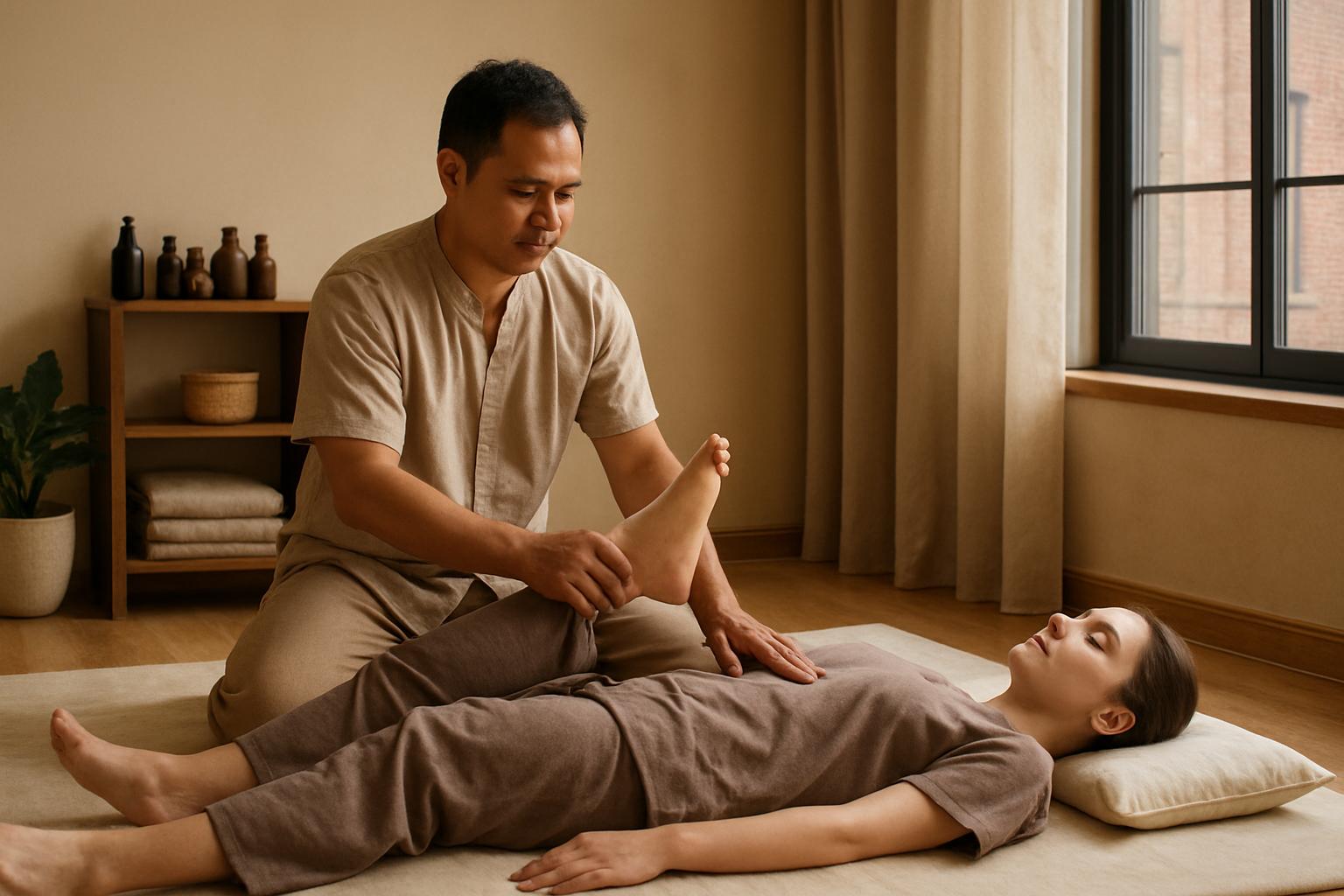
Thai massage traces its roots to ancient Southeast Asia, blending acupressure, assisted stretches, and rhythmic compressions. Practitioners use their hands, thumbs, elbows, knees and sometimes feet to move your body into yoga-like positions while you lie fully clothed on a floor mat. Unlike oil-based treatments, thai massage manhattan sessions typically focus on joint mobility and energy lines—often described as “Sen”—to encourage circulation and flexibility. The result is less about pampering and more about functional release: muscles lengthen, joints regain range, and many people notice a lasting sense of ease.
Core Benefits You’ll Actually Notice
- Improved flexibility and joint mobility, especially in hips and shoulders
- Reduced muscular tension from sitting at desks or commuting
- Enhanced circulation and lymphatic drainage
- Better posture and movement patterns
- A mental slowdown—less busy thinking, more present awareness
How Thai Massage in Manhattan Differs from Other Places
New York studios reflect the city: compact, professional, and surprisingly varied. You’ll find everything from intimate neighborhood practices with an elder practitioner to modern spas offering Thai fusion treatments. In Manhattan, thai massage manhattan tends to adapt to local needs—longer sessions for chronic desk-related issues, shorter after-work options, or specialized sports-oriented approaches for runners and dancers. The tone can vary from traditional and meditative to brisk and therapeutic. Knowing what you want makes choosing a place much easier.
Table: Thai Massage Compared to Swedish and Deep Tissue
| Type | Primary Techniques | Best For | Typical Session |
|---|---|---|---|
| Thai Massage | Passive stretches, acupressure, rhythmic compressions | Flexibility, joint mobility, whole-body tension | 60–120 minutes, clothes-on, mat on floor |
| Swedish Massage | Long strokes, kneading, light to medium pressure | Relaxation, general stress relief | 30–90 minutes, oil, table |
| Deep Tissue | Slow, focused pressure on deep muscle layers | Chronic knots, localized pain | 30–90 minutes, may be intense, table |
Picking the Right Place: What to Look For
Manhattan offers many options but quality varies. When searching for thai massage manhattan, start with a few quick checks: practitioner training and lineage, client reviews that mention specific outcomes (like less neck pain or improved shoulder mobility), cleanliness, and whether the studio communicates clearly about what their sessions include. Because this work is physical and often therapeutic, certifications, years of experience, and a reasonable dialogue about your health history are meaningful indicators of professionalism.
Questions to Ask Before Booking
- Do you follow a traditional Thai approach or a modern/therapeutic adaptation?
- Do I need to bring anything—special clothing or a yoga mat?
- How do you handle medical conditions or pregnancy?
- Can you tailor intensity for chronic pain or mobility issues?
What to Expect During a Session
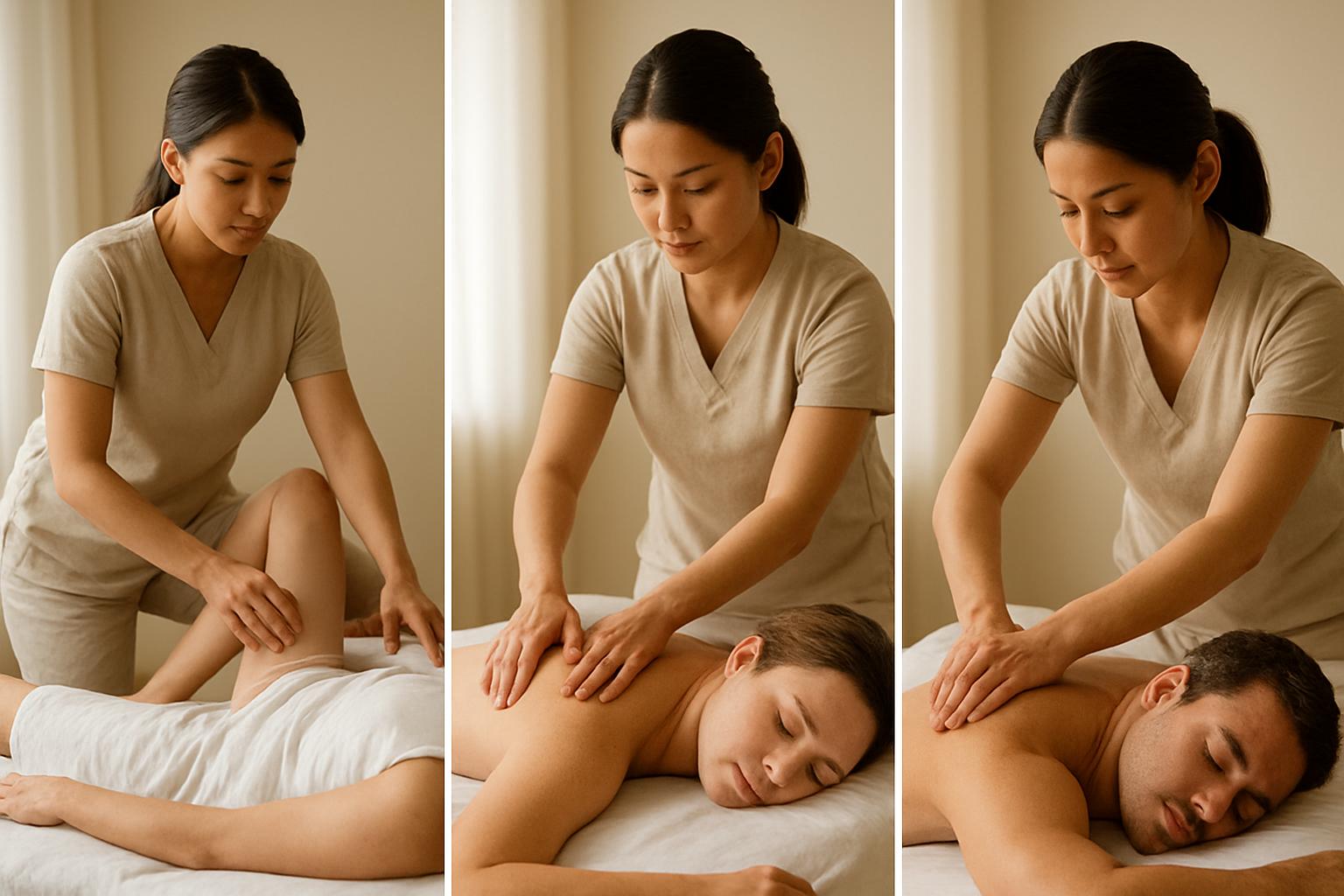
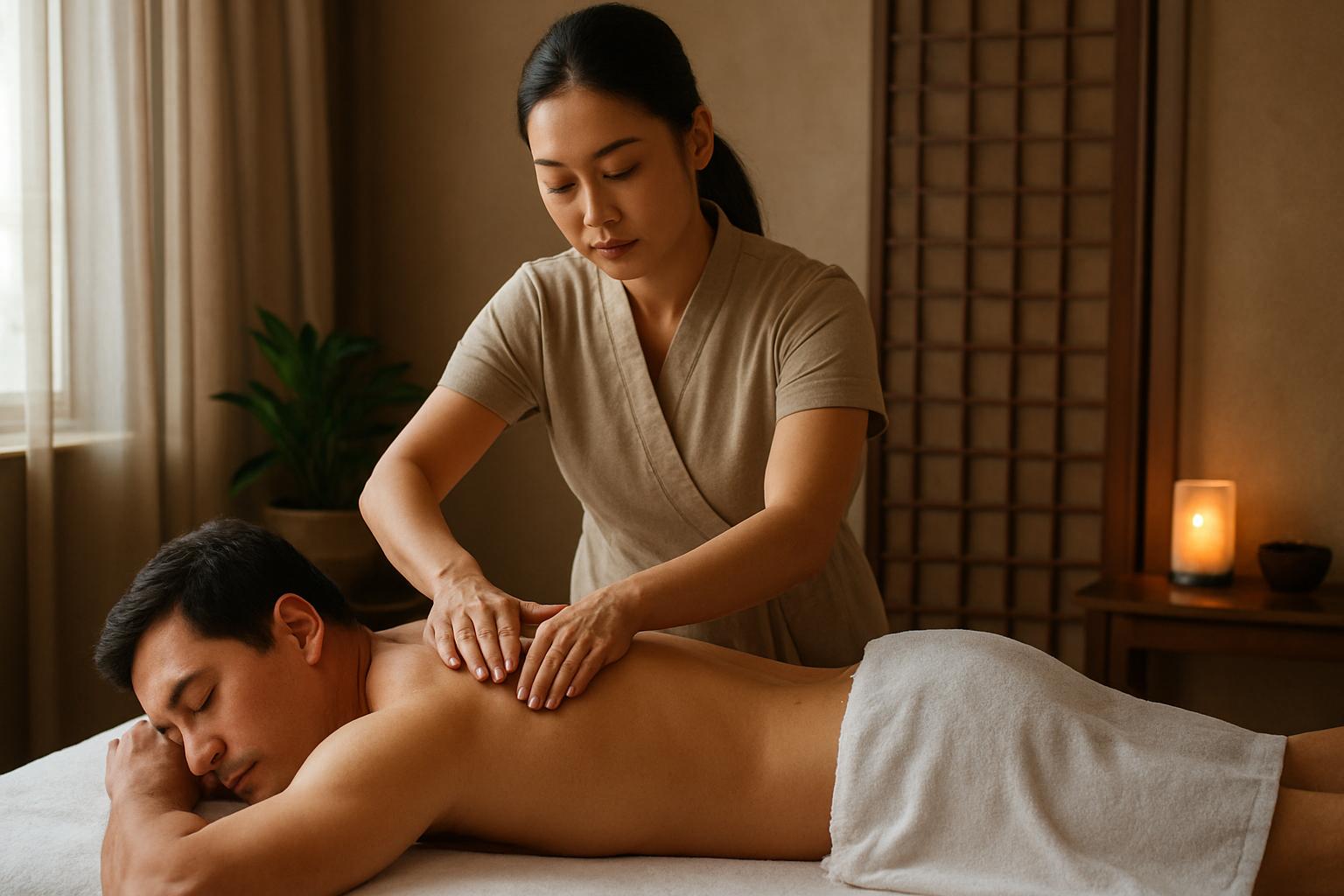
Most thai massage manhattan sessions begin with a short intake—your practitioner will ask about pain, surgeries, or mobility limitations. You’ll typically change into loose clothing or bring your own. Sessions happen on a padded mat on the floor or sometimes on a low futon. Expect a mix of gentle rocking, assisted stretches (where the therapist guides a limb into a position), and applied pressure along specific lines. Communication matters: say if pressure is too strong or a stretch feels sharp. Good practitioners work within your comfort while nudging boundaries just enough to produce change.
Etiquette and Practical Tips
- Arrive 10–15 minutes early to complete intake and settle in.
- Wear breathable, flexible clothing—yoga pants and a T-shirt work well.
- Hydrate after your session; it helps flush metabolic byproducts.
- Tipping around 15–20% is customary in Manhattan for massage services.
- If you’re pregnant or have recent surgeries, notify the studio in advance.
Cost, Timing, and Frequency
Prices in Manhattan vary by neighborhood and reputation. A basic 60-minute thai massage manhattan session typically ranges from moderately priced boutique rates to higher-end spa pricing depending on location. Expect 60–90 minutes for a single treatment, and consider booking longer sessions for chronic tension: 90 to 120 minutes allows a therapist the time to address the whole body thoroughly. For maintenance, once every 2–4 weeks is common; for acute issues, weekly sessions for a short course can be effective.
Neighborhoods and What They Offer
Different parts of Manhattan bring different vibes. Midtown tends to serve workers with quick, efficient sessions; the East and West Villages have more eclectic, traditional practitioners; Chelsea and the Meatpacking District often feature modernized studios with integrated wellness services. If you want a quieter, more traditional environment, look toward neighborhoods that value small-business longevity rather than flashy storefronts. When searching online, a few detailed reviews mentioning technique and therapeutic outcomes is a stronger signal than a two-line rave about being “relaxed.”
Preparing for Your First Time
Newcomers often wonder whether thai massage will be painful or oddly intimate. It can be intense—there’s stretching and joint movement—but it should not be painful. Communicate boundaries up front. Consider these practical steps: eat a light meal beforehand, wear layered clothing that moves with you, and plan your day so you don’t rush out afterward. After the session, a slow walk home and water can help integrate the benefits.
Packing List and Quick Checklist
- Loose, comfortable clothing (yoga pants, T-shirt)
- A bottle of water
- Any relevant medical notes (surgeries, injuries)
- Payment method and tip ready
- Time block in your schedule for rest afterward
Common Misconceptions
There are a few myths worth clearing up. First, thai massage is not primarily a “relaxation-only” treatment—even when it feels meditative, its design is functional: to improve movement. Second, you don’t need to be flexible to benefit; practitioners work from your current range and build outward. Finally, it isn’t always done on the floor—some Manhattan studios offer table-based adaptations, but the technique’s essence remains the same.
When to Seek a Therapist with a Clinical Background
If you have serious structural issues—recent fractures, deep vein thrombosis, or uncontrolled hypertension—consult your physician first and look for a practitioner with additional medical or physical therapy training. Many Manhattan therapists collaborate with chiropractors, physical therapists, and osteopaths, which can be especially useful for complex or chronic cases. Don’t hesitate to ask how a therapist coordinates care with other professionals.
Final Practical Picks
- Book a 90-minute session for your first full experience.
- Check whether the studio has a cancellation policy—you’ll want flexibility.
- Read a few detailed reviews that mention outcomes rather than just ambiance.
- Keep a simple log of how you feel after sessions to measure progress.
Conclusion
Thai massage in Manhattan offers more than an hour of comfort; it provides a functional reset for bodies that live in fast lanes. Whether you choose a traditional mat session in a cozy neighborhood studio or a modern treatment near your office, pick a practitioner who listens, communicates clearly, and understands your goals. Approach the experience with practical expectations—wear comfortable clothes, hydrate, and be willing to speak up—and you’ll likely leave feeling looser, more aligned, and ready to meet the city again with steadier steps.