
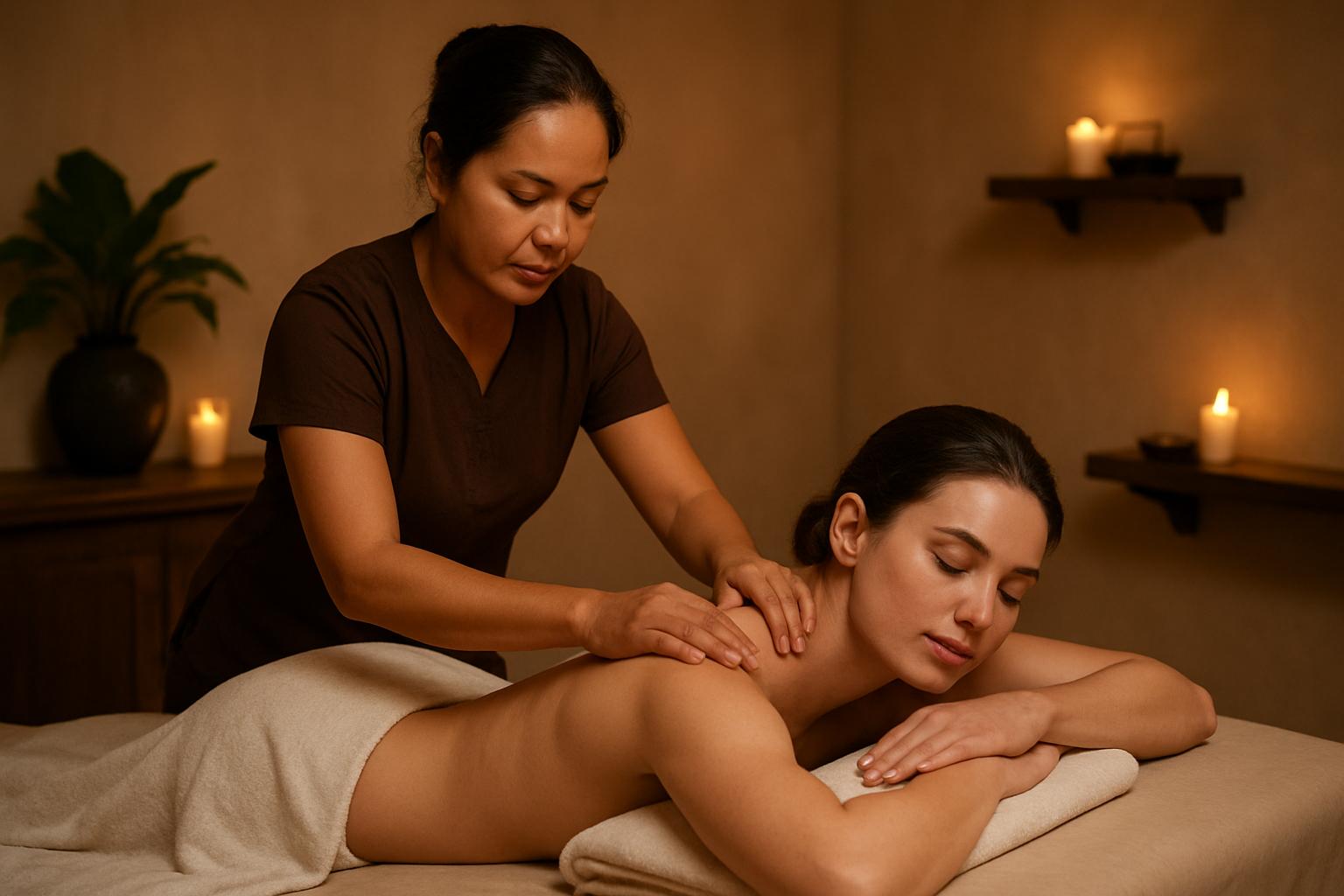
Walking into a massage parlour for the first time can feel like stepping into another world — soft lighting, a faint scent of essential oil, the low hum of calming music. Beyond the relaxation, there’s a surprising amount to know if you want a good experience: what treatments actually do, how to pick a reputable place, what to say (or not say) to the therapist, and how to protect your wellbeing. This guide takes the mystery out of the massage parlour, mixing clear, practical advice with a few insider tips so you leave feeling better and smarter about the whole ritual.
What Is a Massage Parlour?
A massage parlour is a business that offers hands-on treatments designed to relieve muscle tension, improve circulation, and promote relaxation. Services range from straightforward, therapeutic work performed by licensed professionals to more spa-oriented treatments that include aromatherapy or hot stones. The term can evoke different images depending on cultural context and local regulations; in many places a “massage parlour” is a mainstream health and wellness business. The key is to know what you want and to recognize the signals that tell you whether a place is professional and safe.
What to Expect on Your First Visit
On arrival you’ll usually fill out a brief intake form listing health issues, medications, and areas of pain or sensitivity. A therapist will discuss your goals briefly — for example, “relaxation” versus “work on a stiff neck.” Dress is flexible: you undress to your comfort level, and therapists will drape towels to ensure privacy while focusing on specific muscle groups. Sessions typically last 30, 60, or 90 minutes. Afterward, you may be invited to drink water and take a few moments before re-entering the world.
Types of Massage Commonly Offered
Not every parlour lists every technique, and names sometimes overlap. Here are the core styles you’re likely to encounter and a quick note on what each does best.
| Massage Type | Typical Focus | Best For |
|---|---|---|
| Swedish | Long strokes, kneading, light pressure | Relaxation, circulation, general stress relief |
| Deep Tissue | Slow, concentrated pressure on deeper muscle layers | Chronic pain, tight shoulders, postural strains |
| Sports | Targeted work for athletes, pre/post-event care | Muscle recovery, flexibility, injury prevention |
| Thai | Stretching, rhythmic pressing, assisted yoga-like moves | Flexibility, joint mobility, energetic balance |
| Hot Stone | Warm stones used to relax and warm tissues | Deep relaxation, soothing aching muscles |
| Aromatherapy | Essential oils combined with massage techniques | Stress relief, mood enhancement |
Choosing the Right Massage Parlour
Reputation matters. Look for licensed therapists, clear pricing, and a visible physical address. Reviews are useful, but read multiple comments to get a balanced sense — one bad day doesn’t ruin a business, and overly glowing reviews can sometimes signal inauthentic promotion. Pay attention to the website and phone interactions: are questions answered clearly? Do they ask about medical history? A professional parlour will be transparent about qualifications, cancellation policies, and any contraindications.
Checklist: What to Look For
- Visible licenses or credentials for therapists
- Clean, well-maintained treatment rooms and linens
- Clear menu of services and prices
- Staff who ask about injuries, medications, and comfort levels
- Policies that protect client privacy and safety
Before You Go: Practical Preparation
Preparation is simple but pays off. Avoid a heavy meal right before your appointment; a light snack is fine. Hydration helps both your muscles and recovery afterwards. Wear clothing that’s easy to remove and put back on. If you take medication or have a medical condition — high blood pressure, recent surgery, pregnancy — mention it when you book. If you’re pregnant, ask about therapists trained in prenatal massage and about appropriate positioning and timing.
Questions to Ask When Booking
- Are your therapists licensed or certified?
- What level of pressure do you recommend for my concern?
- Do you offer private rooms and draping for modesty?
- How long should I expect the session to last, including check-in?
- What is your cancellation and late-arrival policy?
During Your Visit: Etiquette and Communication
Good communication produces good results. Tell the therapist which areas you want addressed and the pressure you prefer. Speak up during the session if something hurts, is too ticklish, or feels uncomfortable. Therapists expect feedback; they would rather you say “lighter” or “more pressure” than suffer in silence. Silence can be part of the relaxation, but a brief check-in at the start and the end ensures both safety and a better outcome.
Privacy and Draping
Professional therapists use draping techniques to expose only the area being worked on; the rest of your body stays covered. If a therapist asks you to undress more than you’re comfortable with, voice your limits. You are in control of your comfort and modesty at all times.
Safety, Licensing, and Hygiene
Hygiene is non-negotiable. Linens should be clean for each client; therapists should wash hands or use sanitizer before a session. Equipment like bolsters and tables should look well cared for. Licensing requirements vary by location, so verify local rules and look for posted credentials. If something feels off — a therapist refusing to discuss medical history, unsanitary conditions, or pressure to accept services you didn’t request — leave and report the establishment if necessary.
Costs and Time: What to Expect
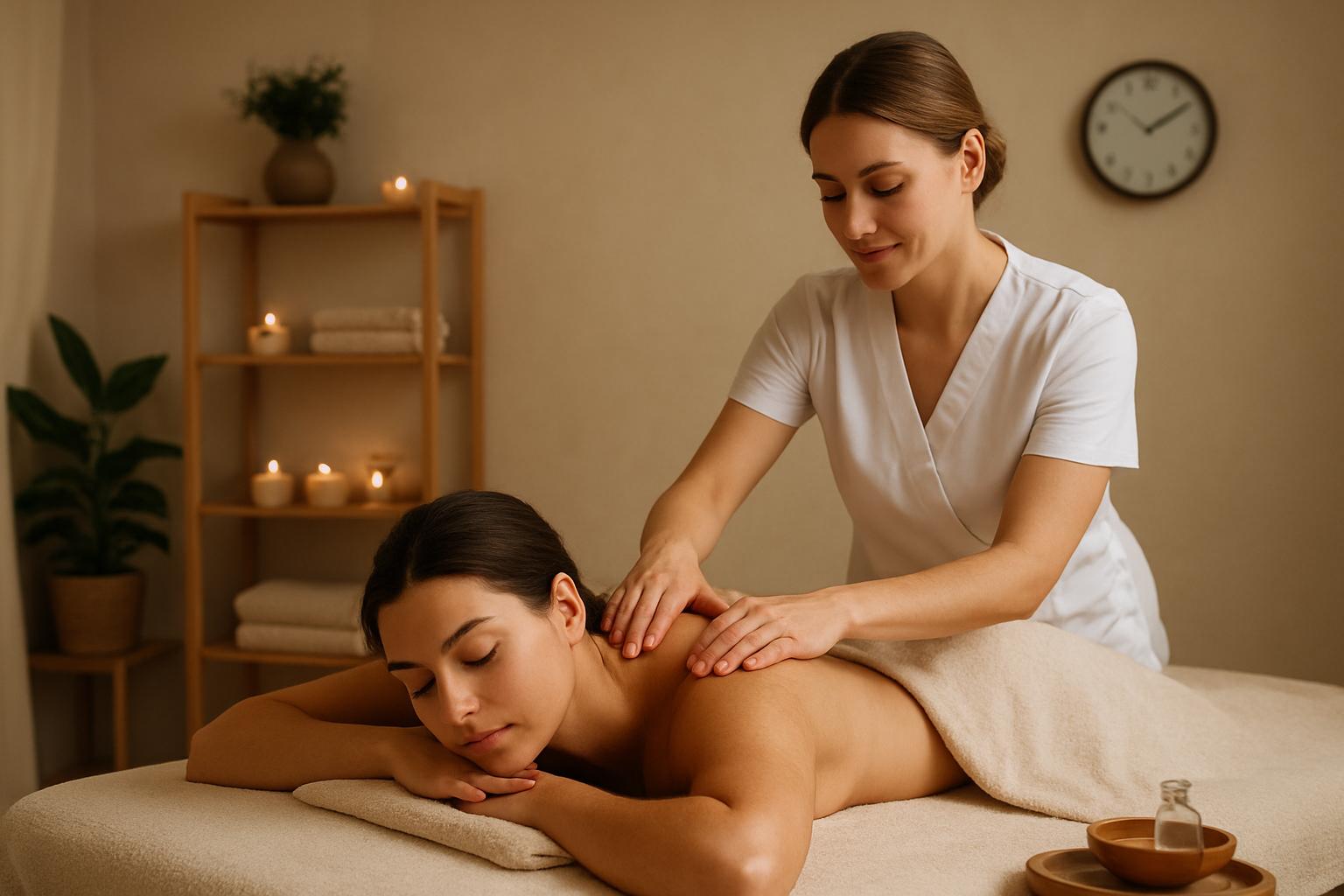
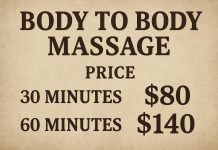
Prices depend on location, therapist experience, and treatment length. Typical ranges: 30-minute sessions for focused work, 60-minute sessions for a full back-and-neck or full-body basic massage, and 90-minute treatments for a more comprehensive or therapeutic experience. A useful rule: a little more time can let the therapist address underlying tension instead of skimming the surface. Tip policies vary — check beforehand — but tipping around 15–20% for a good session is common in many places.
Cultural Notes and Variations
Massage traditions reflect culture. Thai massage emphasizes assisted stretches; Chinese Tui Na uses pressure points and mobilization; Scandinavian countries favor techniques aimed at circulation and recovery. What’s standard or expected in one country might be exotic in another. When you travel, read local customs and ask about standards before booking. That respect pays off in comfort and in getting the treatment you hope for.
Red Flags and How to Report Issues
Most parlours operate ethically, but be alert. Red flags include solicitation of sexual services, therapists refusing to discuss credentials, pushy or unclear pricing, poor hygiene, and a lack of consent around undressing or treatments. If you experience harassment or illegal behavior, leave immediately and contact local authorities. For licensing violations, report to your city or state health or licensing board. Keeping records — receipts, the therapist’s name, photos of the space — can help if you need to file a complaint.
Quick Do’s and Don’ts
- Do communicate your comfort level and any health issues.
- Do check credentials and reviews before booking.
- Don’t hesitate to stop a treatment that feels wrong.
- Don’t assume all parlours are the same; ask questions.
Quick Reference Table
| Service Length | Typical Price Range (varies by region) | Good For |
|---|---|---|
| 30 minutes | $30–$70 | Targeted relief: neck, back, or shoulders |
| 60 minutes | $60–$120 | Full-body relaxation or focused therapeutic work |
| 90 minutes | $90–$180 | Deeper, more thorough treatment; chronic tension |
Finding the Right Fit
A great massage begins with a clear goal and reasonable expectations. If you want relaxation, book for that. If you have an injury or chronic pain, seek therapists with clinical or sports training. A good match can accelerate recovery, reduce stress, and fit into a routine that supports better sleep and mobility. Think of a massage parlour as part of a broader self-care system: it’s one tool among many, most effective when used thoughtfully and consistently.
Conclusion
Massage parlours offer a straightforward path to less pain and more calm when you pick the right place and speak up about what you need. Look for licensed therapists, clean facilities, and clear communication; prepare simply by hydrating and sharing medical history; and always prioritize your comfort and safety during a session. With a bit of know-how, a trip to the massage parlour can become a regular, restorative habit rather than a gamble, leaving you looser, clearer-headed, and a little kinder to the body that carries you every day.