
The phrase “new york body rub” turns up in searches for many reasons: someone wants a sore shoulder soothed after a long commute, another person is hunting for a spa experience before a big night, and some people use the term as a euphemism for services they shouldn’t seek. This guide is for anyone who wants clarity — what the term can mean, how to find a reputable practitioner, what to expect during a legitimate session, and how to avoid scams or illegal services. You’ll get practical tips, realistic price expectations, and red flags to watch for, all in plain English.
What “Body Rub” Can Mean (and Why the distinction matters)
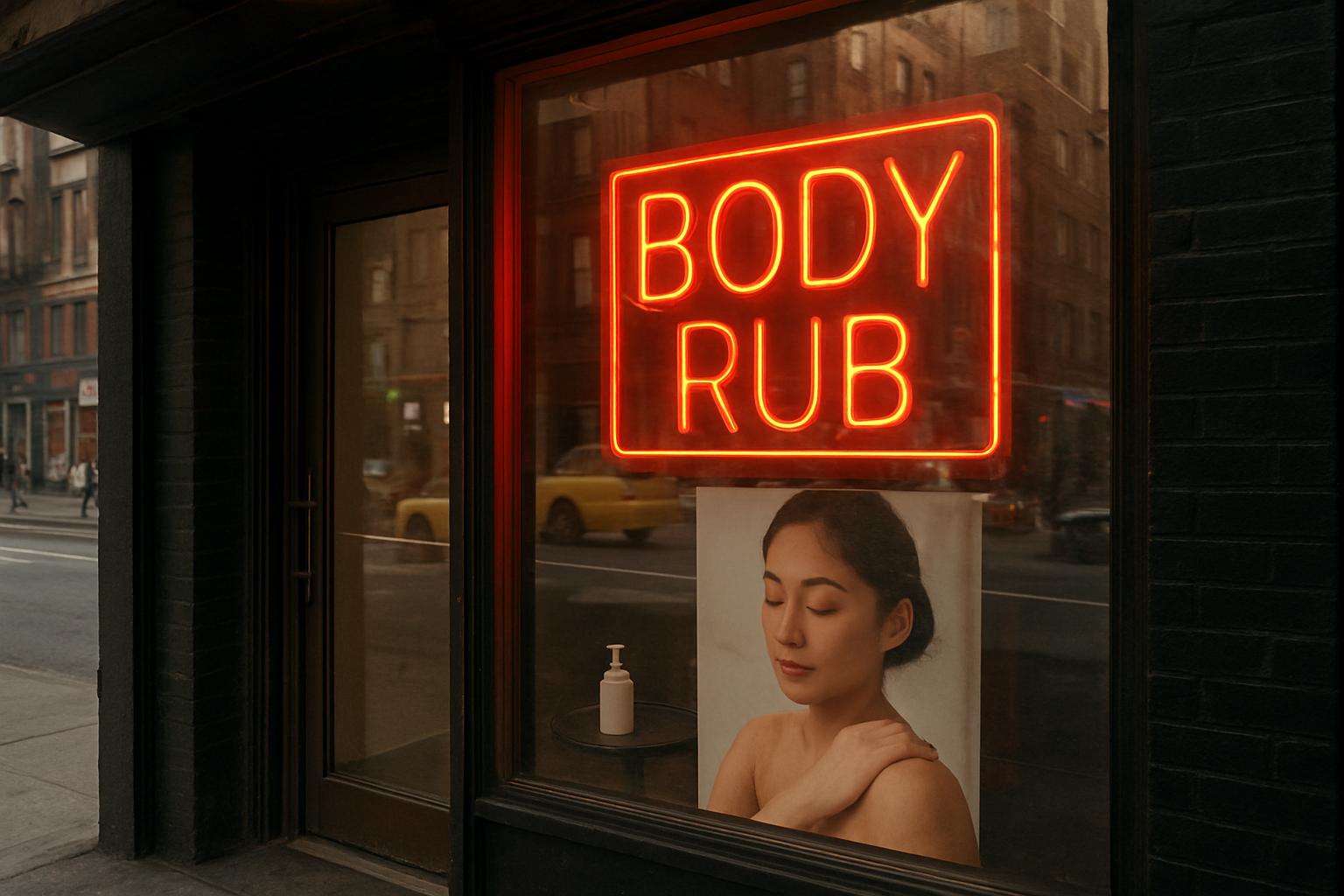
“Body rub” is a neutral phrase that can be used by spas, independent massage therapists, or by ads trying to dodge stricter language. In reputable contexts it usually simply refers to therapeutic bodywork: massage to relieve muscle tension, improve circulation, or reduce stress. In other contexts, especially in classified ads or informal listings, the term can be used to hint at sexualized or illicit services. Knowing the difference isn’t moralizing; it’s about safety, legality, and getting the therapeutic outcome you want.
Common types of therapeutic massage you’ll encounter
Below is a compact table comparing the most common styles you’ll find at licensed clinics and day spas in New York. These are legitimate, non-sexual treatments aimed at health and relaxation.
| Type | Focus | Typical Session Length | Best For |
|---|---|---|---|
| Swedish | Gentle, full-body relaxation using long strokes | 30–90 minutes | Stress relief, first-time massage clients |
| Deep Tissue | Targeted pressure on deeper muscle layers | 30–90 minutes | Chronic muscle tension, postural issues |
| Sports | Functional work for athletes; may include stretching | 30–75 minutes | Injury prevention, pre/post-event care |
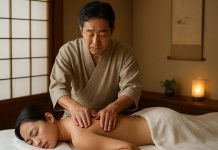
| Shiatsu / Asian Bodywork | Pressure-point and stretching techniques | 30–90 minutes | Energy balance, mobility |
| Hot Stone | Heated stones to relax muscles and increase circulation | 60–90 minutes | Deep relaxation, muscle tension |
| Reflexology | Pressure on feet/hands believed to affect whole body | 30–60 minutes | Relaxation, localized foot/hand discomfort |
How to find a reputable new york body rub (therapeutic massage)
Start by looking for obvious signs of professionalism. Licensed therapists, clean and well-maintained facilities, transparent pricing, and explicit descriptions of services are strong indicators that you’ll receive legitimate, therapeutic care.
- Check credentials: Look for practitioner names, certifications, or memberships in professional organizations on a clinic’s website or profile.
- Read recent reviews: Prior clients note the atmosphere, punctuality, and whether the experience felt professional.
- Call first: A reputable place will answer questions about techniques, session length, and draping policies without evasion.
- Prefer visible addresses: Established spas or clinics with a real street address are more likely to be legitimate than listings that only provide vague locations or private residences.
If your search specifically uses the phrase “new york body rub,” expect mixed results. Use these vetting steps to separate true therapeutic options from ads that may be trying to stay ambiguous.
Red flags and legal concerns
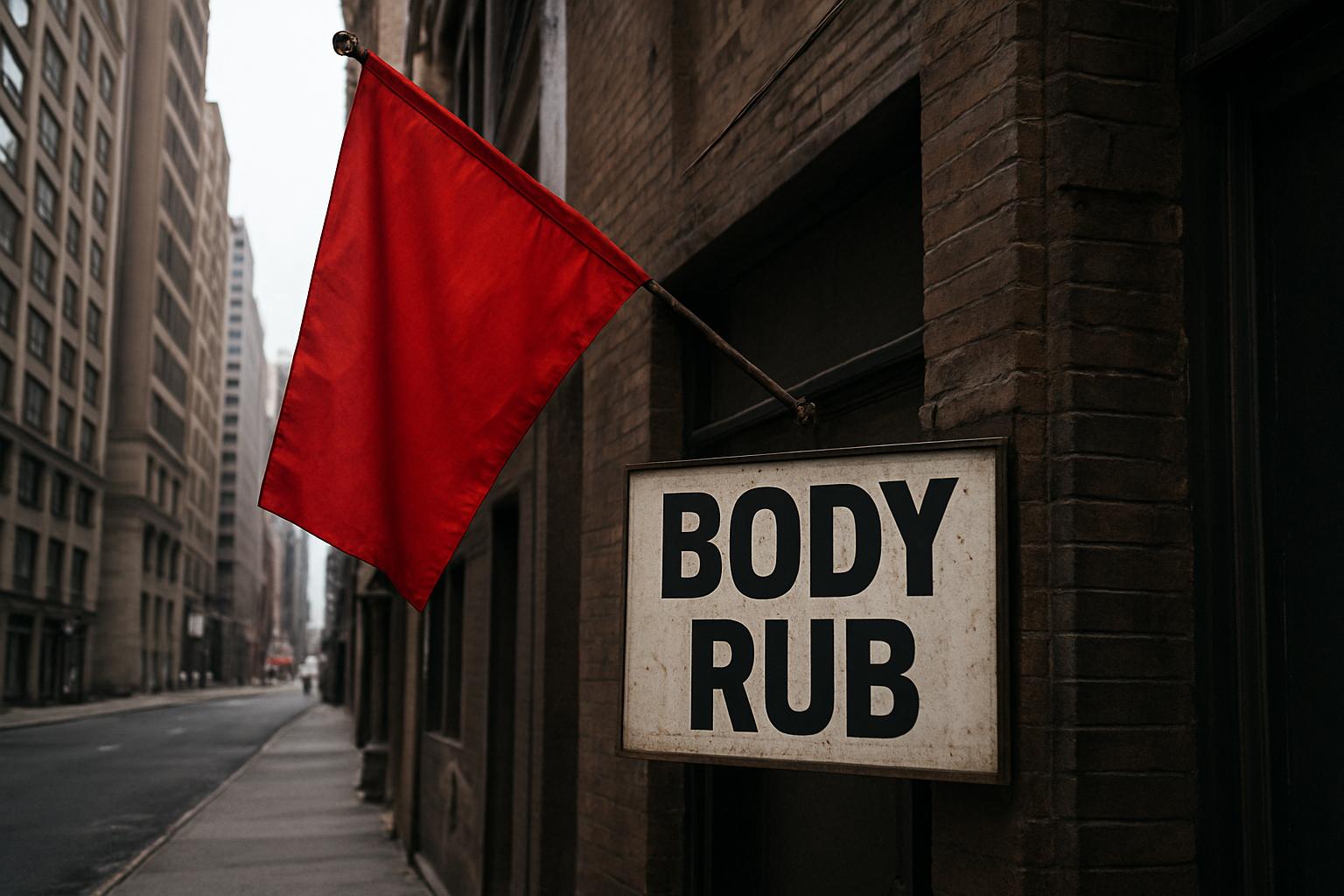
Safety is the main reason to be cautious. Even if someone promises a pleasant experience, an unregulated provider may lack training, carry infection risks, or be engaged in illegal activity.
- No professional registration or license listed.
- Website or ads that are intentionally vague about services, or that emphasize sexualized language or fantasies.
- Cash-only transactions with no receipt.
- Pressure to accept extra services during the appointment, or refusal to allow draping.
- Locations that seem transient — rented rooms by the hour, or no clear business signage.
If you encounter suspected illegal activity, report it to local authorities. For consumer issues in New York City, the Department of Consumer and Worker Protection (DCWP) can be a resource; for health and safety concerns, contact your local public health department. Staying on the side of licensed, regulated care protects you legally and medically.
Simple safety checklist before you book
- Confirm the provider’s name, training, and any state registration.
- Ask about the facility’s hygiene policies (linens, cleaning routines).
- Clarify draping rules and how the therapist respects boundaries.
- Agree on session length and total price up front, including gratuity expectations.
What to expect during a legitimate session
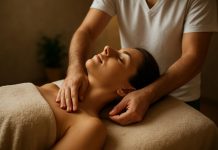
A professional therapist will start with a short intake: medical history, areas of pain, and pressure preferences. Draping is standard — you’ll undress to your level of comfort and be covered except for the area being worked on. Communication during the session matters: therapists should check in about pressure and avoid any sexualized comments or touches. Typical outcomes include decreased muscle tension, transient soreness after deep work, and a general sense of relaxation.
Here are practical questions to ask before a session:
- Are you licensed or certified? What training do you have?
- What techniques will you use for my specific concern?
- Do you have policies on draping and client boundaries?
- What should I do after the session if I feel sore or unwell?
Pricing, tipping, and realistic expectations
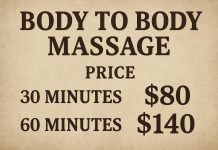
Prices in New York vary widely by neighborhood, facility type, and therapist experience. Expect to pay more in Manhattan hotels and upscale spas, and less in neighborhood clinics or community-focused establishments. Below is a rough price guide; use it as a starting point, not a guarantee.
| Service | Typical Price Range (60 minutes) | Notes |
|---|---|---|
| Chain or hotel spa | $120–$220 | Often includes amenities like steam rooms or pools |
| Independent licensed therapist (studio/clinic) | $70–$140 | Good balance of professionalism and value |
| Community clinics / schools | $40–$80 | Lower cost; students supervised by instructors |
Tipping is common in the U.S. A standard range is 15–20% for good service; adjust based on the experience and the facility’s stated policy. If a business prohibits tipping, it should explain why.
Alternatives and complementary care
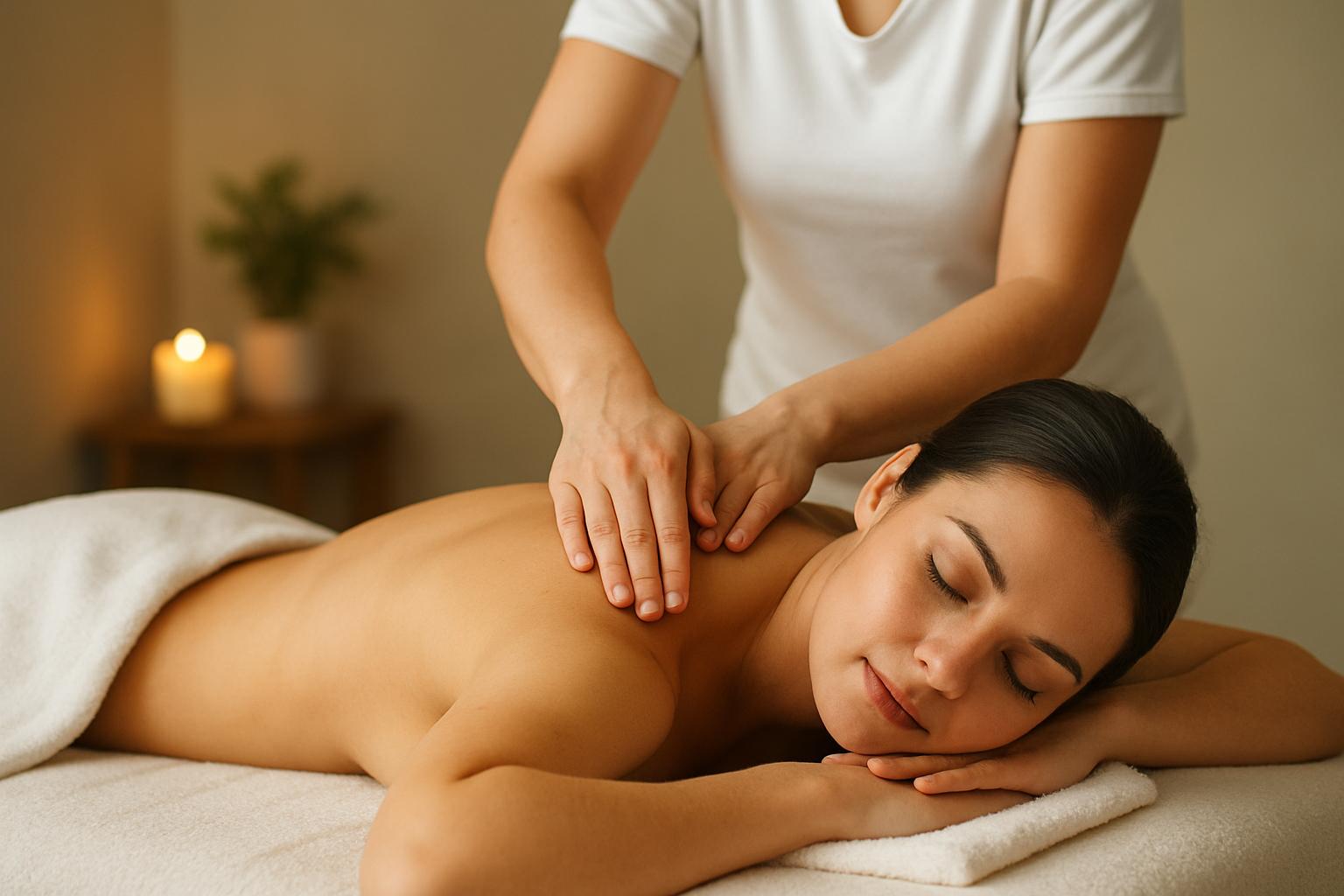
If you’re dealing with a specific medical condition — persistent pain, recent injury, or complications from surgery — consider consulting a physician or a licensed physical therapist. Some people combine massage with stretching, exercise, or acupuncture for better results. Chiropractors, osteopaths, and licensed physical therapists offer regulated, medically oriented bodywork that may be a better fit in some cases than a general “body rub.”
Where to go in New York: a few sensible options
– Hotel and chain spas: predictable standards, often pricier.
– Independent licensed therapists in studios: good option for personalized care.
– Medical clinics and physio centers: best for injury or chronic conditions.
– Community schools and clinics: lower-cost options supervised by instructors.
Search local directories, read reviews, and follow the safety checklist above. If a listing includes the phrase “new york body rub,” proceed with the same due diligence you would for any health-related service.
Maintaining boundaries and communicating needs
A short conversation before the session prevents most awkwardness. State your comfort level, specify which areas you want or don’t want worked on, and say whether you prefer light or firm pressure. Therapists are professionals; clear, calm communication helps them deliver an effective session and keeps both parties comfortable.
Final notes on etiquette and post-session care
Give yourself a few minutes after a session to rehydrate and move slowly; deep tissue work can leave you slightly sore but should not cause sharp pain. Follow any aftercare instructions your therapist provides, such as drinking water or applying heat. If you experience unusual pain, fever, or other worrying symptoms after a session, contact your healthcare provider.
Conclusion
If you’re searching for a new york body rub, aim for clarity: choose licensed, transparent providers, ask direct questions, and trust your instincts. Therapeutic massage can be a powerful tool for stress relief and muscle recovery when it’s delivered professionally. With a bit of homework — checking credentials, reading reviews, and recognizing red flags — you’ll find a safe, effective place to get the care you want without compromising your health or legal standing.