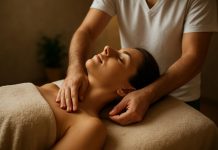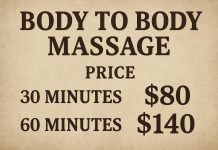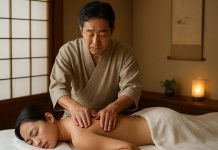

Talk of “nude massage queens” arrives like a headline that makes people sit up: provocative, curiosity-sparking, and a little mysterious. Before you let your imagination take the wheel, it helps to slow down and look at what the phrase can actually signify. In some circles it’s a playful business name or social-media handle; in others it refers to a contested practice that sits at the intersection of body work, culture, and legality. This article walks through the history, the health and ethical stakes, the regulatory landscape, and practical ways to think about safety and respect — all without sensationalizing bodies or services.
Because touch matters. Professional massage therapy is an evidence-backed modality for reducing pain, easing stress, and improving mobility. Where nudity becomes part of the equation, the conversation shifts from benefits to boundaries: who decides what comfort looks like, how care is documented, and what protections are in place. Mentioning “nude massage queens” more than once in this piece isn’t a celebration of spectacle; it’s an invitation to treat the topic seriously, to name a phenomenon and then examine it through the lenses of health, law, and ethics.
How Nudity and Massage Have Intersected Historically and Globally
People have combined touch and partial or full nudity for therapeutic, ritual, and cultural reasons across history. Communal bathing and massage appear in Roman baths, Ottoman hammams, Japanese onsen culture, and traditional healing systems worldwide. In many of those settings, nudity carried different meanings than it does in contemporary Western contexts: it could be practical, sacred, or simply normative.
Fast-forward to modern spa culture and you find divergent norms. European spas might encourage topless sunbathing or mixed-gender saunas; North American clinics typically emphasize draping and professional boundaries. The phrase “nude massage queens” can be used as a cheeky label in online spaces where performers or therapists brand themselves for visibility. But branding, like practice, sits inside local laws and professional expectations. That nuance matters.
Legal and Regulatory Landscape: A Snapshot
The legality of nudity during massage varies widely by jurisdiction and by the purpose of the touch. A therapeutic massage provided by a licensed clinician in a regulated clinic is treated differently in law from any service that intends to result in sexual arousal. Licensing boards, consumer-protection laws, and zoning ordinances all influence what is permissible.
Because the rules shift so much by place, professionals tend to emphasize documentation: clear informed consent, written policies on draping, and strict codes of conduct. Where regulations are lax or absent, gray areas emerge that jeopardize both clients and practitioners. That’s why understanding local norms and licensing requirements is essential before engaging with any provider associated with the phrase “nude massage queens” or similar terminology.
| Region | Typical Legal Stance | Common Regulations |
|---|---|---|
| North America | Therapeutic nudity permitted when clinician is licensed; sexual services prohibited | State/provincial licensing, draping policies, clinic inspections |
| Europe | Varies widely; public nudity norms differ, but sexual services regulated | Local licensing, health and safety standards, spa-specific rules |
| Asia & Middle East | Highly variable; cultural norms strongly influence acceptability | Often stricter gender-segregation, cultural sensitivity requirements |
What “Licensed” and “Therapeutic” Usually Mean
A licensed therapist generally has completed formal training, passed exams, and agreed to a code of ethics. Therapeutic intent—treating a musculoskeletal issue, easing postural tension, addressing stress—separates a clinical session from anything intended to be sexual. Many professional associations explicitly require appropriate draping and written consent when any undressing is involved. If a therapist advertises themselves under a provocative name like “nude massage queens,” check that those professional boxes are still ticked.
Safety, Consent, and Professional Ethics
Good body work starts with a clear conversation. Before a session, clients should be told what to expect about attire or draping, which areas will be worked on, and what to do if they feel uncomfortable. Consent isn’t a yes/no checkbox; it’s an ongoing agreement that can be withdrawn at any time. Providers are responsible for maintaining boundaries, for keeping the environment professional, and for documenting consent and treatment goals.
- Red flag: A practitioner avoids discussing draping or insists on unnecessary undressing before a clear therapeutic rationale is given.
- Red flag: There’s pressure to accept services off-site or outside a licensed setting.
- Red flag: The clinic lacks visible credentials, clear contact information, or written policies on conduct.
For practitioners, ethical practice means transparent pricing, a refusal to sexualize the therapeutic relationship, and mechanisms for clients to report misconduct. For clients, it means asking questions, checking credentials, and trusting instincts. That’s the frame within which terms like “nude massage queens” must be evaluated: branding doesn’t replace regulation.
Health Considerations and the Science of Therapeutic Touch
Massage—when performed by trained hands—can reduce muscle tension, lower perceived stress, and contribute to improved sleep. Research points to measurable effects on stress hormones and pain perception, though outcomes vary by technique and individual. The core therapeutic ingredients are intention, skill, and safe conditions; they are not dependent on nudity.
When nudity is part of a session, it can complicate matters: some people feel liberated and more comfortable in their bodies, while others feel exposed. Both responses are valid. That’s why therapists must assess individual comfort and adapt draping and techniques accordingly. From a clinical perspective, therapy focused on therapeutic goals should prioritize the patient’s sense of safety above any stylistic choice.
| Modality | Typical Draping/Attire | Primary Purpose |
|---|---|---|
| Swedish/Relaxation Massage | Client usually draped with a sheet; only the area being worked is uncovered | Relaxation, circulation, mild muscle tension relief |
| Deep Tissue | Similar draping; therapist works through towels/sheets as appropriate | Chronic muscle tension, mobility |
| Therapeutic Nude Sessions (rare) | Explicit informed consent, clear draping plan, clinical rationale agreed upon | Specific therapeutic or cultural reasons where nudity is part of protocol |
Choosing a Reputable Provider: Practical Pointers
If you’re considering any massage service, a practical checklist makes decisions easier. The goal is not to police curiosity but to make sure care happens in an environment that protects dignity and health. Whether a clinic uses playful branding like “nude massage queens” or a plain clinical name, the same basic questions apply.
- Is the therapist licensed or certified by a recognized body?
- Does the clinic have written policies on draping, consent, and sexual misconduct?
- Are hygiene and cleanliness visibly maintained?
- Can you find verifiable reviews that describe legitimate clinical outcomes?
- Is there a clear space for intake and a private, professional treatment room?
Ask for a phone conversation before booking. A reputable practitioner will welcome questions about technique, draping, and what to expect. If questions are deflected or answers are vague, walk away. It’s better to miss one appointment than to risk discomfort or harm.
Body Positivity, Stigma, and the Ethics of Advertising
Nudity carries meaning beyond the physical. For some, it’s a path toward body acceptance and empowerment. For others, it triggers shame or vulnerability. Advertising that leverages nudity—whether cheeky branding or explicit promises—can flirt with exploitation. That’s an ethical minefield. Therapists and clinics have to balance honest marketing with safeguards that protect clients’ wellbeing.
Cultural shifts around body image and consent are pushing the wellness industry to be more explicit about policies, to train staff in trauma-informed care, and to create language that honors clients’ autonomy. A provider who identifies with a flashy moniker like “nude massage queens” can still be ethical — but they bear the same obligations as any clinician to respect boundaries, comply with law, and prioritize safety.
Industry Trends and the Road Ahead
The massage industry is professionalizing. Educational standards are rising in many places, boards are clarifying codes of conduct, and consumers are more informed than ever. Digital platforms also complicate the picture: social media allows eye-catching branding but also spreads misinformation and invites unregulated practices.
Expect more emphasis on transparency: clearer online disclosures, verified credentials, and public complaint mechanisms. Technology may help with scheduling and credential verification, but it won’t replace the human element: skillful, respectful touch and a culture that values consent. If the phrase “nude massage queens” persists online, it will likely have to adapt to these evolving expectations or fade into niche branding.
Conclusion
The phrase “nude massage queens” can mean different things to different people — from playful branding to an actual service model — but whatever the label, the fundamentals are the same: legitimate massage is governed by training, consent, and ethics; safety and transparency matter more than marketing flair; and clients and practitioners alike should prioritize clear communication, proper licensing, and respect for boundaries. When curiosity meets care, everyone benefits.