
Nurumassages — often heard as a whispered offering on spa menus or in private conversations — sit at the crossroads of specialized bodywork and intimate touch. The phrase invites curiosity because it implies something different from a typical Swedish or deep-tissue session. This article walks through the origins of nuru massage, the differences between professional and at-home experiences, practical safety and etiquette considerations, and how to choose a reputable provider. I’ll keep the tone practical and straightforward: you should leave knowing what nurumassages involve and how to approach them responsibly, whether you’re curious, cautious, or considering booking one.
Origins and Basics: What is a nuru massage?
Nuru massage traces its roots to Japan and is named after the special slippery gel used during the session — “nuru” roughly translates to “slippery” in Japanese. Unlike conventional massages that rely primarily on hands and equipment, this style emphasizes close, gliding body contact; the practitioner often uses their body to massage the client with the lubricant as a medium. For many people, nurumassages are about sensation and connection as much as muscle work, but it’s important to separate myth from fact: the technique is not inherently sexual. In professional settings, the focus can be therapeutic relaxation and muscle release; in other contexts it may be framed differently. Understanding that spectrum helps you decide what you’re comfortable with.
What the gel is and why it matters
The nuru gel itself is distinctive. Traditionally made from nori seaweed extract, modern formulations may combine natural seaweed-derived ingredients with water, glycerin, and preservatives to create a thick, slippery medium that is odorless and colorless. The gel is meant to increase glide and reduce friction, allowing smooth, full-body movements. Because the gel plays a central role, quality and safety of the product are important considerations for both practitioners and clients.
Professional vs. At-Home: Choosing the right setting
When exploring nurumassages you have two broad options: visiting a licensed spa or receiving a session in a private or home setting. Both have pros and cons.
- Professional studio: Licensed establishments typically maintain hygiene standards, use commercial-grade products, and follow local regulations. They also offer an upfront discussion about boundaries and consent before a session begins.
- In-home sessions: These may be more convenient or feel more private, but they require extra vigilance. Make sure the practitioner is reputable, that products are safe, and that you’re clear on boundaries and payment terms beforehand.
In either case, communication and consent are non-negotiable. A good practitioner explains what will happen, checks for allergies or sensitivities, and respects your comfort level throughout the session.
What to expect during a session
A typical professional nurumassage session starts with a short consultation: the practitioner asks about medical history, current concerns, and comfort with the technique. You may be asked to undress to your comfort level; sheets are usually used for privacy. The therapist will warm the gel and apply it to both bodies, then proceed with slow, flowing movements designed to relax muscles and improve circulation. Sessions vary in length, commonly 60 to 90 minutes, and break down into preparatory stretches, the core bodywork with glide, and a brief cool-down or aftercare discussion.
Safety, Hygiene, and Health Considerations
Because nurumassages involve prolonged skin-on-skin contact and a slippery medium, there are specific health and hygiene points to keep in mind. A responsible approach minimizes risk and maximizes relaxation.
- Always confirm that the gel is skin-safe and hypoallergenic; ask about ingredients if you have sensitivities.
- Ensure linens are clean and that the practitioner uses sanitary practices — fresh towels, clean floors, and handwashing between clients.
- Communicate medical issues up front: skin conditions, infections, blood-thinning medications, or recent surgeries can change whether this massage is appropriate.
- Drink water after the session; the bodywork and gel can be dehydrating for some people.
Practitioners should never pressure clients into anything beyond stated professional boundaries. If you feel uncomfortable at any point, stop the session and leave if necessary. Trust your instincts.
Legal and ethical considerations
Regulation of nuru massage varies widely by location. In many places, bodywork that involves intimate touch is subject to stricter licensing rules or may be prohibited in commercial settings. Before booking, check local laws and ask the provider about their licensure and insurance. Ethical practitioners will be transparent about their credentials and policies. If a provider refuses to discuss these matters, consider it a red flag.
Preparing for a Nuru Session: Practical Steps
Preparation improves the experience. Below is a simple checklist to follow in the days and hours before a session.
| When | Action | Why it matters |
|---|---|---|
| 48–24 hours before | Avoid heavy alcohol and sunburn-inducing activities | Reduces sensitivity and risk of skin irritation |
| 12 hours before | Shower and avoid applying lotions or strong fragrances | Prevents product interactions and keeps skin receptive |
| Before the session | Discuss allergies, medications, and comfort levels | Ensures safety and clear consent |
What to bring and wear
Wear whatever makes you comfortable en route; many clients remove clothing during the session and are covered with sheets. If modesty is a concern, discuss draping options with the practitioner. Bring water, and if you have any topical medications or coverings you prefer to use afterward, have them on hand.
How to Choose a Responsible Practitioner
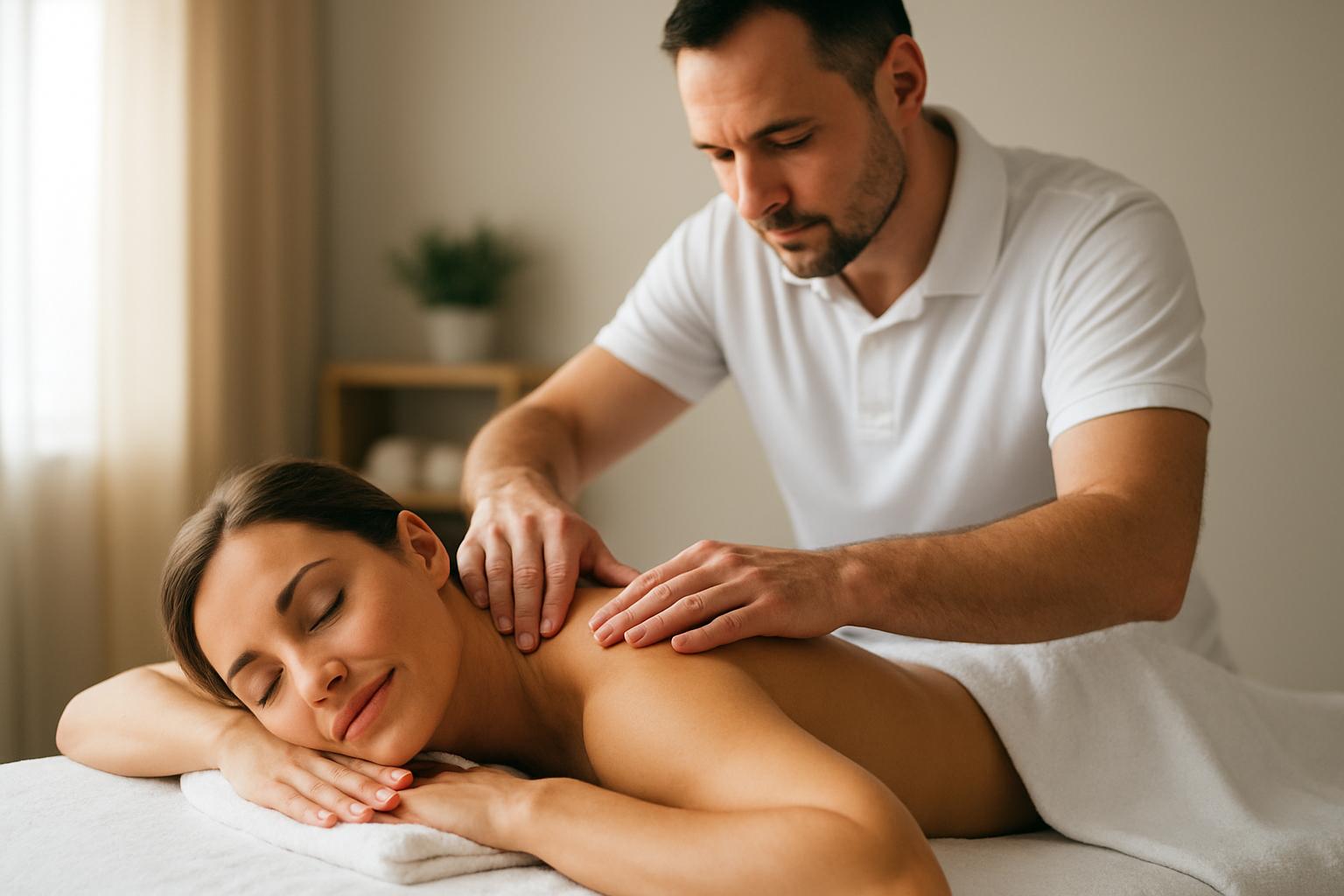
Choosing the right person matters more than choosing a flashy venue. Reputation, credentials, and clear policies show professionalism.
- Check reviews and ask for references. Reputable practitioners typically have verifiable feedback from other clients.
- Confirm certifications and insurance. A trained bodyworker should be able to discuss their training and provide proof if asked.
- Ask about hygiene protocols and the specific nuru gel brand they use.
- Discuss boundaries and what constitues acceptable touch before booking.
A short interview by phone or email can save you from an uncomfortable situation later. If a practitioner becomes evasive or dismissive when you raise safety questions, walk away.
Costs and booking tips
0
Prices for nurumassages vary widely depending on location, practitioner experience, and the type of venue. Expect to pay more for studios that emphasize medical-grade products, licensed therapists, and private rooms. Many providers require a deposit or full prepayment; read cancellation policies carefully. If a price seems unusually low for the market, it’s worth investigating why.
Alternatives and Complementary Therapies
If nurumassages aren’t appropriate or appealing, there are alternatives that still deliver deep relaxation and therapeutic benefits. Consider medically oriented massage modalities such as myofascial release, prenatal massage, or hydrotherapy, depending on your needs. Combining different approaches sometimes yields better results than relying on a single technique.
- Swedish massage — for overall relaxation and light to moderate muscle work.
- Deep-tissue massage — targeted pressure for chronic muscle tension.
- Shiatsu or Thai massage — uses rhythmic pressure and assisted stretching rather than slip-based glide.
Final practical tips
When trying nurumassages for the first time, go with realistic expectations. These sessions are sensory and connective rather than a quick fix for structural problems. Maintain open communication with the therapist, and don’t hesitate to ask for adjustments in pressure or technique. Follow aftercare instructions, hydrate, and give yourself time to rest afterward.
Conclusion
Nurumassages occupy a niche where sensory bodywork and personal comfort meet, and approaching them with knowledge makes the difference between a confusing experiment and a rewarding experience. From choosing a licensed, communicative practitioner and confirming safe, hypoallergenic gel to understanding local regulations and setting clear boundaries, the key is professionalism and consent. Whether you’re seeking a unique relaxation method or a deeper kind of bodywork, do your homework, prioritize safety, and rely on transparent, reputable providers to guide the experience.