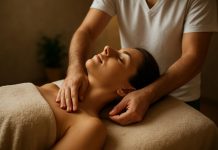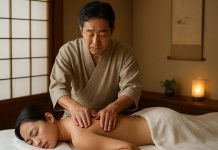


People often search for a quick route from a tense shoulder to a deep sigh of relief. Sometimes that search gets muddled with myths about “happy endings” and massage parlors. Those myths matter because they touch on legal risk, personal safety, and the dignity of service professionals. This article won’t walk you through how to solicit sexual services at a spa — that’s not safe or responsible advice — but it will help you tell a legitimate therapeutic massage from something sketchy, show you where to look for safe, legal alternatives if intimacy is what you want, and give practical tips for protecting yourself and others. Think of it as choosing the cleaner, kinder path to feeling better.
Why the distinction matters: therapy, commerce, and the law

A professional massage is a therapeutic interaction governed by training, licensing, and a code of conduct. Licensed therapists study anatomy, contraindications, and draping; they take client intake and document treatments. In contrast, establishments that secretly offer sexual services often operate outside regulation, posing risks to everyone involved: legal penalties, health hazards, and exploitation. Knowing this difference helps you make safer decisions — for your body, your conscience, and your community.
Quick table: Legitimate massage vs. illicit services
| Feature | Legitimate Massage Spa | Illicit/Unregulated Parlor |
|---|---|---|
| Licensing and credentials | Therapists display or can provide state/provincial licensing and certifications | Often absent, vague, or unverifiable credentials |
| Service menu and pricing | Clear menus for treatments (Swedish, deep tissue, prenatal) with standard pricing | Ambiguous menus, “specials,” or price negotiation off-record |
| Environment | Clean, professional, located in transparent business settings | Hidden rooms, non-public access, murky online presence |
| Client intake and consent | Written or verbal intake, health screening, clear draping practices | Minimal intake, pressure for “extra” services, poor boundaries |
| Legal risk | Low when compliant with local laws and regulations | High — possible arrest, fines, and other legal consequences |
How to find a reputable massage therapist or spa
Finding a good therapist is like finding any skilled professional: do a little homework. Here are reliable steps to follow.
- Check licensing boards or professional associations in your region. Many countries and states maintain online registries.
- Read recent client reviews on multiple platforms. Look for consistent praise of the therapist’s technique, professionalism, and cleanliness.
- Examine the spa’s website or call before booking. Legit businesses publish clear service menus, cancellation policies, and contact information.
- Observe the facility. Clean linens, proper draping, and a clear intake process are good signs.
- Ask about training. A qualified therapist can explain their modalities, scope of practice, and any contraindications.
What to expect during a professional massage
Showing up informed makes for a better session. In a licensed setting you’ll typically encounter:
- An intake form or interview asking about medical history, pain, and goals.
- A discussion of the treatment plan and which areas will be worked on.
- Clear guidance on draping — only the area being worked on is uncovered — and expectations about undressing and modesty.
- An invitation to give feedback about pressure and comfort during the session.
- Professional boundaries: therapists do not perform sexual acts as part of therapy.
If anything feels off — if the therapist asks you to remove more clothing than necessary, suggests “extras,” or pressures you to expand the session in ways that make you uncomfortable — end the appointment and leave. Trust your instincts.
If your interest is sexual rather than therapeutic: legal, ethical options
People pursue sexual intimacy for many reasons, and that’s a human impulse. Where it’s legal and regulated, sex work can be a legitimate, consensual occupation. But the rules vary wildly by jurisdiction. Here’s how to approach such options responsibly without crossing legal or ethical lines.
- Know the law where you live. Research local statutes or contact legal guidance from reputable sources before seeking services.
- Use regulated, transparent providers in places where sex work is legal. These venues generally require health checks, worker protections, and licensed premises.
- Prefer organizations that respect worker rights and consent. Advocacy groups and official public health resources can point you toward safer, community-endorsed options.
- Never pressure or coerce a service provider. Consent is central and must be freely given.
I’m not going to provide step-by-step instructions for obtaining sexual services at an unlicensed or illicit establishment. That’s risky, often illegal, and can harm vulnerable people. Instead, follow the safer path above: check laws, choose regulated services where available, and prioritize mutual respect.
Health, safety, and privacy — non-negotiables
Whether you’re getting a massage or seeking other adult services, protect your health and privacy.
- Get routine sexual health screenings if you are sexually active with new partners.
- Prefer providers who operate transparently and offer clear information about health practices or condom use when relevant.
- Use payment methods and communication channels that preserve your privacy, but avoid cash-only arrangements that suggest off-the-books transactions.
- Be mindful of digital footprints. Taking photos or recording in private spaces is almost always prohibited and can lead to legal trouble.
Red flags to walk away from
Recognizing warning signs can keep you out of dangerous situations. Leave and report if you encounter:
- Ambiguous or nonexistent licensing, or refusal to show credentials.
- Pressure to accept services off-record or pay “extras” in cash for undisclosed acts.
- Unclean facilities, hidden rooms, or an intrusive, predatory atmosphere.
- Requests to engage in illegal activity, to violate consent, or to ignore safe practices.
- Negative, consistent online reports alleging coercion, theft, or abuse.
Alternatives for improving intimacy and wellbeing
If your aim is increased closeness or sexual satisfaction, there are many legitimate routes besides seeking sexual services at a massage place.
- Communicate with partners. Honest conversations about needs, boundaries, and fantasies can transform relationships.
- Consider sex therapy or couples counseling. Trained professionals can help with desire discrepancy, communication, and intimacy issues.
- Explore sexual wellness resources: educational workshops, books by sex-positive clinicians, and community groups that emphasize consent.
- Invest in your wellbeing: exercise, sleep, and stress reduction all boost libido and closeness.
- If solo, look into high-quality adult products and reputable information sources to enhance safety and knowledge.
Where to find trustworthy resources
If you want formal guidance rather than hearsay, turn to institutions and organizations with transparent standards.
| Type of Resource | Why It Helps | Examples |
|---|---|---|
| Regulatory boards | Verify therapist licenses and official complaints | State/provincial health departments, massage therapy boards |
| Professional associations | Set standards for education and ethics | National and regional massage associations, therapy networks |
| Public health agencies | Offer sexual health information and testing resources | Local health departments, clinics |
| Advocacy groups | Provide harm-reduction info and worker-rights perspective | Sex worker advocacy organizations (where legal), sexual health nonprofits |
Conclusion
I won’t give directions for procuring sexual services at a spa — that path too often involves legal risk, exploitation, and health concerns — but you do have safe, respectful options: choose licensed, professional massage for therapeutic relief; learn and follow local laws if you’re considering regulated adult services; prioritize consent, testing, and transparent providers; and, if intimacy is the goal, invest in communication, therapy, and reputable educational resources. Safety and respect aren’t just rules — they’re the quickest route to the relief and connection you actually want.