
Many searches and conversations center on the phrase “nude massage girl,” and the phrase can mean very different things depending on context. Some people use it casually while looking for legitimate naturist or therapeutic services; others use it in search of erotic offerings. This article walks through the realities behind that phrase — what it can legally and ethically mean, how professional massage therapy handles nudity, what to watch for online, and how both clients and practitioners can keep comfort and safety front and center.
Why the phrase carries so much weight
A short string of words like “nude massage girl” triggers assumptions instantly: who’s offering the service, is this a professional therapist or something else, and what are the boundaries? Words matter here because they shape expectations. In regulated massage therapy, nudity is handled carefully through draping (cloth covering) and clear consent; in other contexts, nudity can be part of an erotic service or even a red flag for illegality. Understanding the vocabulary helps you separate legitimate wellness options from risky or exploitative situations.
Nudity in massage: spectrum, not a switch
Not all nudity in massage is the same. There’s a spectrum:
– Fully draped, where only the area being worked on is uncovered.
– Partial nudity, where modesty coverings are used and certain areas remain covered.
– Naturist or spa treatments, where a client may remain unclothed in a communal or dedicated setting with explicit consent and rules.
– Erotically oriented services, which may involve nudity plus sexual activity; these are typically outside professional practice.
Recognizing where a service sits on that spectrum is the first step toward making a safe choice. Professional therapists usually explain their draping policies up front and emphasize therapeutic goals.
Legal and ethical realities
Different jurisdictions treat nudity and sexual services in massage differently. Licensing boards, spa regulations, and local laws define what therapists may and may not do. In many places, any sexual contact during a massage is illegal or grounds for professional sanction. Ethical codes from associations like the American Massage Therapy Association require informed consent, confidentiality, and respect for client boundaries.
If an advertisement uses language like “nude massage girl” without clarifying therapeutic intent or licensing, it’s worth pausing. Lack of transparency can indicate an unregulated or illegal operation. Always check credentials, read reviews, and verify that the practitioner operates in a licensed facility.
Safety and consent: non-negotiable elements
Consent in a therapeutic setting must be explicit, ongoing, and informed. This means clients are told what the session will involve, how much undressing is required, and what draping will be used. Practitioners should explain techniques, ask permission before touching new areas, and affirm the client’s right to stop at any time.
Safety also includes basic professional standards: clean linens, sanitary equipment, clear emergency procedures, and a written intake form that addresses health conditions and contraindications. A legitimate practitioner will gladly provide this information and will not pressure a client into removing clothing beyond what’s needed for the treatment.
How to evaluate a service that mentions “nude massage girl”
When you encounter the phrase online or in an ad, treat it like a signal to investigate, not an instruction to assume anything. Here are practical steps:
- Verify credentials: licensing board, association membership, or professional profile.
- Check the venue: a recognized spa or clinic has a physical address and clear business information.
- Read reviews from multiple sources; beware of scripted or new accounts that only praise and never critique.
- Ask about draping, session boundaries, and cancellation policies before booking.
- Trust your instincts: if something feels off in how the service is marketed, walk away.
These measures protect both the client and the practitioner and preserve massage as a therapeutic modality rather than an erotic transaction.
What to expect in a professional session
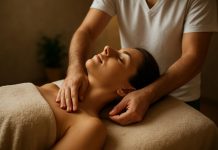
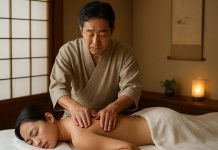
In a properly run session, the therapist explains the process, invites you to disrobe to your comfort level, and waits outside while you undress and lie under a sheet. Only the area being worked on is uncovered; therapists use draping to preserve modesty. Communication continues throughout: therapists ask for pressure preferences, comfort levels, and any pain. Sessions end with time to redress privately and a brief review of self-care recommendations.
If a practitioner suggests bathing nude with others, or offers undraped bodywork without clear therapeutic justification and consenting protocols, those are legitimate reasons to decline and report the business to licensing authorities.
For therapists: professional boundaries and best practices
Therapists who choose to work in settings where clients may be nude must adopt strict protocols:
- Maintain clear written policies on draping, informed consent, and sexual boundaries.
- Document all client interactions and intake forms thoroughly and confidentially.
- Seek supervision or mentorship if unsure about handling a boundary situation.
- Stay up to date with licensing requirements and continuing education in ethics.
- Refuse any requests that move the session beyond therapeutic intent, and provide referrals if needed.
Clear signage, respectful language on websites, and consistent client education reduce misunderstandings. Protecting both personal safety and professional reputation requires proactivity.
Commodification, exploitation, and how to respond
Commercial sexualization can creep into wellness spaces, particularly where regulations are lax. The commodification of bodies, whether through exploitative ads or unsafe workplaces, harms practitioners and clients. If you encounter suspicious offerings, report them to local health boards or consumer protection agencies. Practitioners should speak up if pressured into inappropriate services; colleagues and professional associations can be important sources of support.
Be mindful that people sometimes search “nude massage girl” out of curiosity or shorthand; not every use of the words indicates intent to exploit. Still, vigilance helps preserve massage as a legitimate, healing profession.
Alternatives and middle-ground options
If nudity feels uncomfortable but you want the benefits of massage, there are many alternatives:
| Option | Draping/Clothing | Best for |
|---|---|---|
| Swedish or deep tissue with full draping | Full draping, uncover only targeted area | General relaxation and chronic muscle tension |
| Chair massage | Fully clothed | Quick tension relief, office settings |
| Sports massage with modesty cloths | Partial draping, sports shorts allowed | Athletic preparation and recovery |
| Hydrotherapy or water-based treatments | Swimwear | Joint-friendly therapy, post-injury |
These options allow you to receive professional care while preserving comfort and dignity.
How to speak about it without embarrassment
Discussing bodywork and nudity can feel awkward. Use clear, neutral language: ask about draping, where the practitioner will be in contact with your body, and what to expect during the first five minutes. Being direct reduces confusion. A short script you can use: “I’m booking a massage for back and shoulders. What is your draping policy, and what will I need to remove?” That question gets to the heart of the matter without awkwardness.
Red flags and when to report
Certain signs indicate a service is not safe or legal. Be alert to:
- Ambiguous or sexualized language in ads (beyond “nude massage girl,” look for promises of “extras” or “private rooms”).
- Lack of visible credentials or a physical address for the business.
- Practitioners who pressure clients to undress or to withhold details from a primary medical provider.
- Requests for cash-only payment without receipts or contracts.
- Inconsistent stories about licensing or training.
If you experience unwanted sexual contact, report it immediately to authorities and to the licensing board where the therapist operates.
Final practical checklist before booking
- Search the practitioner’s name and business online for licensing and reviews.
- Call and ask about draping, credentials, and session structure.
- Confirm the location and whether a receptionist or staff member is present.
- Read cancellation and refund policies.
- Bring a friend to wait nearby if you feel uncertain; therapists should respect your comfort in doing so.
Simple due diligence turns ambiguous phrases like “nude massage girl” from a source of confusion into a starting point for informed decisions.
Conclusion
The phrase “nude massage girl” sits at an intersection of curiosity, commerce, and ethics; unpacking it reveals a spectrum from fully therapeutic, consent-driven practices to potentially exploitative or illegal offerings. Whether you’re a client seeking relief or a practitioner building a trustworthy practice, clarity pays off: ask about draping and credentials, prioritize consent and hygiene, know the laws in your area, and trust your instincts—those measures protect dignity and keep massage on the side of health rather than harm.