
If you’re wandering through downtown with a sore neck, tight shoulders, or simply a craving for calm, the idea of finding the best massage downtown can feel like searching for a hidden gem. The good news: downtown areas usually offer a surprising variety of options, from quick chair massages to luxurious spa experiences. This guide walks you through what to look for, how to choose a therapist, and practical tips to turn a single appointment into lasting relief. Read on like you’re deciding on a dinner spot—consider the vibe, the menu, and who’s behind the counter.
Why choose a downtown massage?
Downtown massage spots often combine convenience with a wider range of services and hours than suburban alternatives. You can squeeze a session between meetings, book late after work, or pair a massage with shopping or dinner. Many downtown clinics attract skilled therapists who specialize in sports, therapeutic, or medical massage because urban clientele often demand targeted treatments. Beyond convenience, there’s also variety: day spas, wellness clinics, independent therapists, and even boutique studios share city blocks, making it easier to compare and sample until you find the best massage downtown for your needs.
Types of massage you’ll find downtown
Not every massage is the same, and downtown options tend to showcase that diversity. Below is a compact breakdown to help you decide what you might want to book.
- Swedish massage — Light to medium pressure for general relaxation and circulation.
- Deep tissue — Heavier focus on long strokes and deep pressure to release chronic tension.
- Sports massage — Designed for athletes or active people; improves flexibility and recovery.
- Trigger point therapy — Focuses on tight knots that refer pain elsewhere.
- Shiatsu or Thai massage — Uses pressure points and stretching for mobility and energy flow.
- Chair or express massage — Short sessions, fully clothed, ideal for lunch breaks.
- Medical or clinical massage — Therapist works alongside a care plan for injury recovery.
Quick comparison: which style fits your goal?
| Goal | Recommended Massage | Typical Duration | Ideal for |
|---|---|---|---|
| Relaxation | Swedish | 50–90 minutes | Stress relief, improved sleep |
| Tight muscles | Deep tissue | 60–90 minutes | Chronic knots, postural strain |
| Performance | Sports | 30–90 minutes | Athletes, recovery, mobility |
| Targeted pain | Trigger point / clinical | 30–60 minutes | Injury-related or referred pain |
| Quick reset | Chair / Express | 10–30 minutes | Lunch breaks, travelers |
How to choose the right therapist downtown
Picking the best massage downtown isn’t just about the spa’s decor or a glowing Instagram feed. It’s primarily about the therapist and how well they match your needs. Start with credentials. A licensed massage therapist (LMT) or someone with certification from a recognized school is a baseline. For medical concerns, look for additional training in myofascial release, neuromuscular therapy, or orthopedic massage.
Next, read recent reviews but treat them like clues, not gospel. Look for comments about consistency, pressure, and whether the therapist listens. If you need a deep-tissue approach, a glowing review that praises “gentle and soothing” might be a red flag. Conversely, prioritize therapists who highlight their specialties—sports rehab, prenatal care, or pain management—if those are your priorities.
Questions to ask before you book
- What is your training and licensure?
- Do you specialize in any techniques or conditions?
- How do you handle client-intake forms and medical history?
- Can you accommodate specific pressure preferences or injuries?
- What are cancellation and late-arrival policies?
Good therapists will welcome these questions and answer clearly. If you sense hesitation or vague replies about training, it’s okay to keep looking.
What to expect during the session
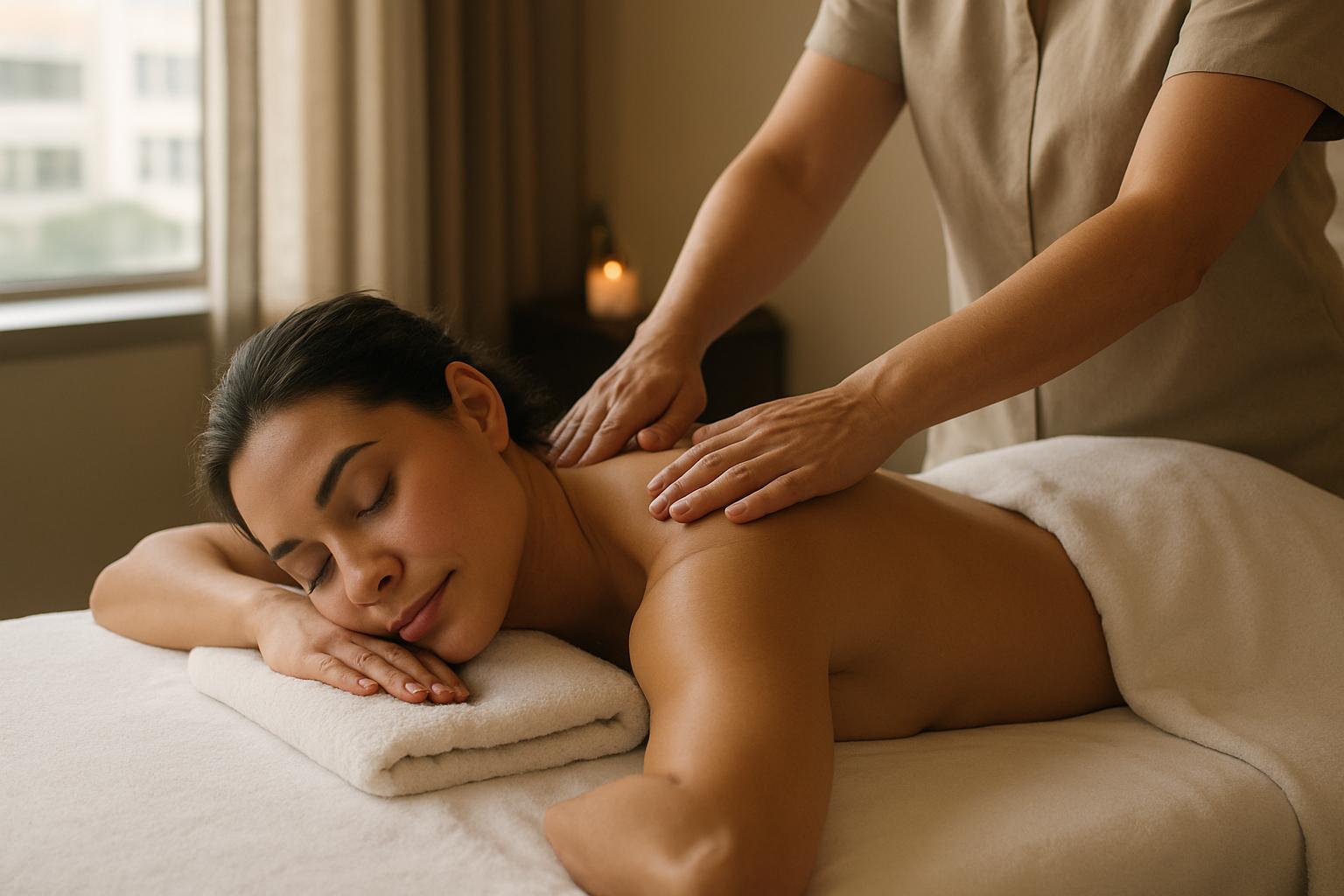
A professional downtown massage usually starts with a short intake: you’ll discuss medical history, pain points, and pressure preference. Sessions typically occur on a massage table with towels or sheets for draping—privacy and comfort are standard. Expect the therapist to check in about pressure mid-session and to focus on problem areas you mentioned. If something hurts in a sharp, unexpected way, say so immediately. Effective therapists distinguish “good pain” that stretches tissue from harmful pain that could cause injury.
Timing matters. A 30-minute session often targets one area—neck and shoulders, for example—while a 90-minute session allows comprehensive work and better integration. Consider your schedule and goals; short sessions are great for maintenance, longer sessions for deeper change.
Practical tips to get the most from a downtown massage
Little decisions before and after the appointment significantly influence results. Hydrate well; water helps flush toxins released from tissues. Dress comfortably and leave jewelry at home. Arrive 10–15 minutes early to fill out forms and settle in. After the massage, schedule light activity—walking or gentle stretching—to help integrate the treatment. If you experience soreness, apply heat, and use the therapist’s aftercare suggestions rather than trying random remedies.
Money and timing: what downtown prices usually look like
Urban pricing varies widely. Expect higher rates in prime downtown locations and boutique spas, with discounts available during off-peak hours or as part of membership packages. Typical ranges are:
- Chair or express massage: $15–$45 for 10–30 minutes
- Standard 60-minute session: $70–$140
- Luxury spas or specialty therapists: $120–$250+ for 60–90 minutes
Remember: higher cost doesn’t always equal better outcomes. Look for value—experienced therapists, transparent pricing, and clear cancellation policies—rather than price alone.
Downtown booking strategies and etiquette
Book online if possible; many downtown therapists use scheduling software that shows availability and services. If you’re trying a new place, call and speak with staff or the therapist to confirm they can address your needs. Tip appropriately: 15–20% is standard at private clinics and spas in North America unless gratuities are built into the price. Finally, be punctual. Downtown life is often tight on time; arriving late shortchanges both you and the therapist.
When to choose a medical or clinical massage
If you’re recovering from an injury, dealing with persistent pain, or have complicated health conditions, seek a therapist who collaborates with healthcare providers. Clinical massage therapists often take longer intake sessions, coordinate care plans, and focus on measurable outcomes like improved range of motion or reduced pain scores. Downtown clinics attached to physical therapy practices can be particularly effective if you need a treatment plan rather than a single session.
Making the most of a downtown search
Use a combination of online research, word-of-mouth, and a short trial-and-error process. Ask coworkers for recommendations, check local community boards, and read recent reviews focusing on reliability and treatment outcomes. Try different places for different needs: a quick chair massage can revive you during a hectic day, while a trusted therapist who understands your body will be a better choice for long-term issues. Keep notes on what worked and what didn’t—pressure, atmosphere, therapist communication—so your next booking is faster and more precise.
Safety and red flags
Pay attention to warning signs: if a therapist pressures you to remove all clothing beyond what’s required, if they avoid discussing medical history, or if their space lacks basic cleanliness, walk away. Proper draping, clear consent, and an emphasis on comfort are non-negotiable. Trust your instincts—if something feels off before the session, you’re better off canceling and finding another option.
Local advantages: why downtown can be the best place for a massage
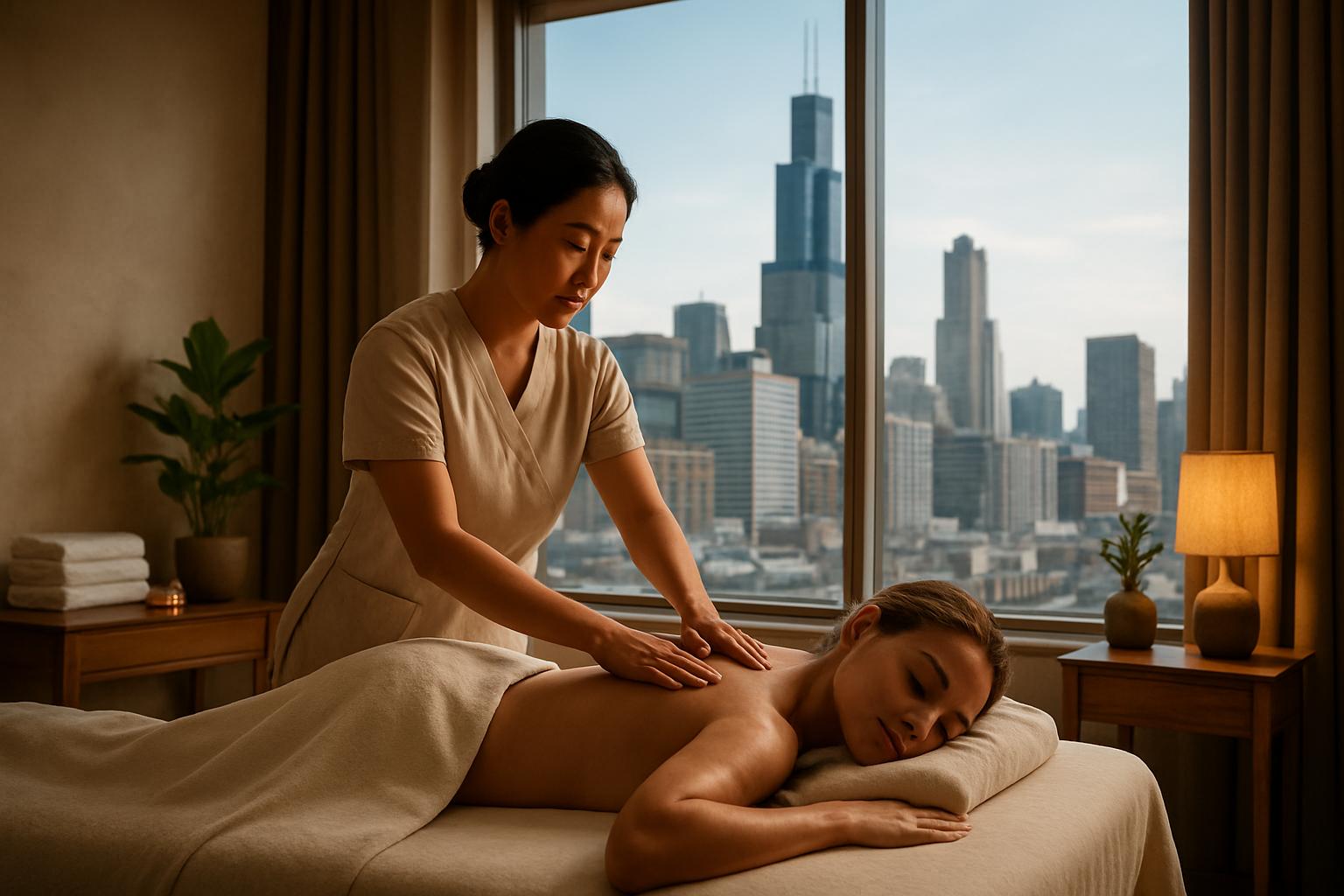
Beyond convenience, downtown settings often attract a concentration of therapists with varied specialties. That density makes it easier to find someone whose training and personality match your preferences. You also benefit from longer hours and integrated wellness services—yoga studios, clinics, and nutritionists sometimes share space or cross-refer, offering a more holistic approach to health than a standalone suburban spa.
Conclusion
Finding the best massage downtown comes down to matching your goals with the right style, therapist, and practical choices. Start with clear priorities—relaxation, pain relief, or performance—check credentials, read targeted reviews, and don’t be shy about asking questions. Use short sessions to sample different therapists, and reserve longer appointments when you’ve found someone who understands your body. With a little research and sensible expectations, that downtown appointment can become the reset you need in a busy life.